
Fruits are often seen as a healthy and nutritious choice for those aiming to lose weight. Packed with vitamins, minerals, and fibre, fruits provide essential nutrients while satisfying cravings for something sweet. However, it’s important to strike a balance and be mindful of portion sizes when incorporating fruits into a weight loss plan.
Surprisingly, eating too much fruit can potentially hinder weight loss progress. In this article, we will explore the reasons why excessive fruit consumption can slow down weight loss efforts.
1. The Sugar Content
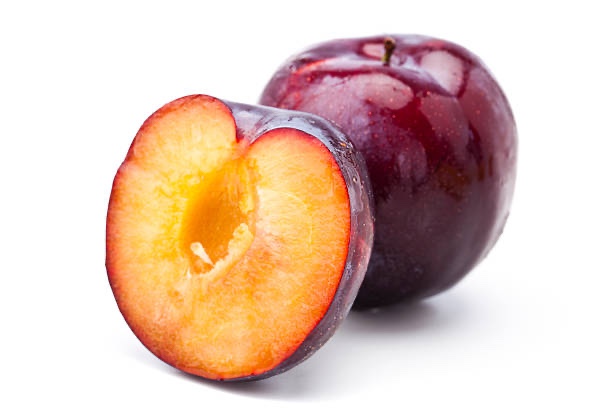
Fruits have a naturally sweet taste because of their sugar content, which is mostly made up of fructose. Although fructose is a natural sugar present in fruits, eating too much of it can prevent weight loss.
Fruit consumption in excess can cause the liver to convert fructose into fat, which makes it more difficult to lose weight or cause weight gain. Furthermore, consuming a lot of sugar can cause insulin levels to rise, which may lead to an increase in cravings and a disruption in the body’s capacity to burn fat stores.
2. The Calorie Mysteries

Despite having fewer calories on average than processed snacks and desserts, fruits still have calories. Large fruit portions may result in an accidental calorie surplus, which impedes weight loss.
Keep in mind that maintaining a calorie deficit—i.e., consuming fewer calories than you burn—is the key to losing weight. Because of this, even the healthiest foods should be consumed in moderation to maintain a healthy calorie intake.
3. Fibre Isn’t the Only Answer

Fruits are well known for their high fibre content, which supports satiety and controls blood sugar levels while also assisting in digestion. However, it might not be the best for weight loss to get all of your fibre from fruit.
Fruits high in fibre can make you feel satisfied, but too much fibre might cause pain and digestive problems. Furthermore, if fruits make up the majority of your diet, you can be missing out on other crucial nutrients that can be found in a variety of foods.
4. Solving the Quantity Conundrum

Portion control is key to avoiding the dangers of consuming excessive amounts of fruit while dieting. Maintain a balance between your fruit intake and other food categories and be cautious of the suggested serving sizes.
To promote a balanced nutrient profile, keep in mind that variety is crucial and include a variety of fruits, vegetables, lean proteins, and whole grains in your diet.
5. Make a Wise Choice

When it comes to weight loss, not all fruits are made equal. Some fruits, such as berries, melons, and citrus fruits, have fewer calories and more fibre than other fruits, making them ideal for weight loss objectives.
However, several tropical fruits, such as bananas, mangoes, and grapes, tend to have higher sugar and calorie content. To assist maintain a good calorie balance, it’s crucial to choose fruits that are fewer in calories and higher in fibre.
Which Fruit is Good for Diabetes Patients?
Conclusion
Fruits are unquestionably an essential component of a balanced diet, but consuming too much of them might impede weight loss efforts. The fruit has calories and sugar that, if consumed without moderation, can lead to weight gain.
You can take advantage of the nutritional advantages of fruits while still accomplishing your weight loss objectives by exercising portion control, choosing low-calorie, high-fibre fruits, and keeping a well-rounded diet that includes other food categories.
Fruit shouldn’t be completely excluded from your diet, though, as it is still a nourishing item that can offer significant minerals and fibre. Fruit should be consumed in moderation as part of a balanced diet.
How much fruit should be eaten each day to lose weight?
The recommended daily fruit intake for weight loss can vary depending on a person’s age, sex, weight, degree of activity, and overall calorie requirements. However, based on a 2,000-calorie diet, The American Dietary Guidelines advise adults to consume 1.5 to 2 cups of fruit daily. This suggestion contains 100% fruit juice without additional sugars, fresh and frozen fruits, and both. Because they include nutritional fibre and have a lower glycemic load, whole fruits are generally healthier than fruit juices.
In the end, speaking with a medical professional or certified dietician can result in personalised advice catered to your unique requirements and weight reduction objectives. They can assist you in establishing how many calories you need to burn off each day and how much fruit you should eat each day to lose weight.

 Detoxpri
Leave a comment