
Diet & Breastfeeding
Your nutritional requirements as a breastfeeding mother are essential for both your health and for giving your baby the finest nutrition possible. A healthy diet can increase milk production, increase vitality, and aid in postpartum recuperation. In this post, we will examine the top foods breastfeeding women should eat to promote the best possible health for both the mother and the child.
DID YOU KNOW?
The variety of foods consumed by the mother when breastfeeding encourages the infant to enjoy a wide range of flavors.
Need to Increase Milk Production While Breastfeeding? These 9 Foods Can Help
1. Oats: A Powerhouse for Milk Production

Oats are full of fiber and nutrients like iron, magnesium, and zinc that are beneficial for nursing mothers and their infants and can increase milk production.
The high iron content of oatmeal can be responsible for its appeal to nursing mothers. Milk production may be affected by low iron levels. Oats are a fantastic dinner option because they are also adaptable and simple to cook. Make some oat milk at home.
2. Leafy Greens: A Nutrient-Rich Boost for Breastfeeding Moms

Green leafy vegetables contain phytoestrogens, which have been shown to have a positive effect on milk production. This could be the key to knowing their lactogenic potential.
Leafy green vegetables are a great source of calcium, magnesium, vitamin B-6, folate, and other vitamins and minerals. Here are 9 amazing advantages of consuming green smoothies each morning.
3. Salmon: Omega-3 Fatty Acids for Brain Development

Salmon is a great source of protein, omega-3 fatty acids, vitamin B12, and DHA, a crucial lipid for the growth of a baby’s neural system.
DHA is present in all breast milk, although it is present in greater quantities in the milk of mothers who consume more DHA in their diets. Your mood may also benefit from the DHA in salmon. According to studies, it might help to prevent postpartum depression.
4. Nuts and Seeds: Vital Nutrients in Bite-sized Packages
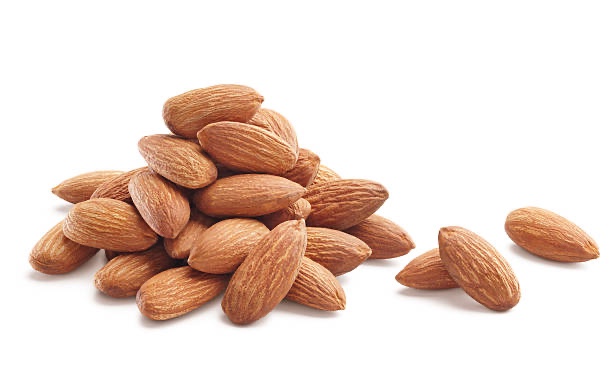
Nuts are high in essential minerals such as iron, calcium, and zinc as well as vitamin K and B vitamins. They’re also a healthy source of essential fatty acids and protein.
Beyond their phenomenal nutritional makeup, nuts are regarded as lactogenic in many parts of the world (which means they might be foods that help produce breast milk).
5. Whole Grains: Energy-Boosting Carbohydrates for Breastfeeding Moms
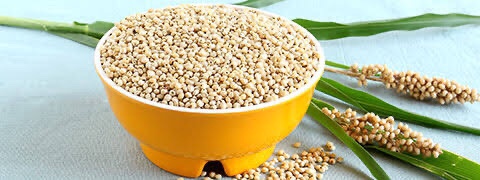
The complex carbs in whole grains like brown rice, and whole-wheat pasta can help boost your energy and are high in fibre, iron, and other important minerals for milk production and nutrition.
Add some veggies and protein sources to make a healthy dish like Jowar Upma and Broken Sorghum Kheer.
6. Chickpea: Protein and Iron for Mom and Baby

Protein, vitamins, minerals, and phytoestrogens are all present in large quantities in beans and other legumes. Chickpeas have been used as a galactagogues, or substances that enhance the production of breast milk.
Despite the fact that chickpeas are the most commonly consumed lactogenic legume, you don’t have to stick with just one kind of bean or legume to benefit from their lactogenic qualities. The following are 10 Ingenious Ways to Use Chickpeas
7. Eggs: A Nutrient-Rich Superfood for Nursing Mothers

Nutrients like vitamin B12, which aids the nervous system, are abundant in eggs. According to some studies, vitamin B12 may also improve memory, energy, and mood.
Additionally, eggs contain important nutrients like choline. 10 Egg-Strengthening Meals That Are Healthy Will Improve Your Diet
8. Sesame seeds: Supply calcium for the bone health of Mom and Baby

Calcium, a vitamin that is especially crucial for mothers and infants who are breastfed, is abundant in sesame seeds. Calcium intake is especially crucial during pregnancy and breastfeeding for the woman’s and baby’s bone health.
Consuming too little calcium when nursing can result in milk with low calcium concentration. Here are reasons why you should eat sesame during winter. Sprinkle them over a salad for a more nutritional option.
9. Citrus Fruits: Vital Vitamins and Antioxidants
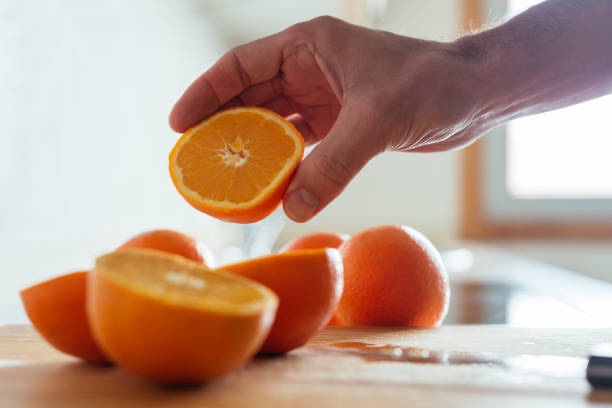
Fruits high in vitamin C and antioxidants, such as blueberries, blackberries, strawberries, raspberries, and oranges, are portable and healthy.
Oranges and other citrus fruits are ideal breastfeeding foods because nursing mothers require more vitamin C than pregnant women, which not only boosts their immune system but is also important for bone formation. How to Get Your Vitamin C Fix During the Winter.
Conclusion
Lactating women must provide a well-balanced and nutrient-rich diet to maintain their well-being and give their newborns the greatest possible start in life. Breastfeeding mothers can optimize their milk supply and encourage the healthy growth of their infants by consuming foods such as oats, leafy greens, salmon, almonds, whole grains, legumes, eggs, lean meats, and a range of fruits and vegetables in their diet.
Remember to contact with a healthcare expert for individualized dietary guidance and to enjoy this beautiful bonding time with your newborn while fueling yourself with these nutritious meals.

 Detoxpri
Leave a comment