
What is Vitamin B12
Vitamin B12, also known as cobalamin, is an essential water-soluble vitamin that is essential for many biological processes. It is necessary for the production of red blood cells, DNA synthesis, the health of our neurological system as a whole, and nerve function.
Although many people are aware of the value of vitamins in their diets, vitamin B12 insufficiency is still a problem that can have a number of harmful effects on health. The negative impacts of vitamin B12 deficiency on health will be discussed in this article.
What Causes Vitamin B12 Deficiency?
Understanding the typical causes is crucial before exploring the effects of vitamin B12 insufficiency. The most typical causes are as follows:
Dietary Deficiency: Animal-based foods such meat, fish, dairy, and eggs are the main sources of vitamin B12. Those who adhere to rigorous vegan or vegetarian diets without the necessary supplements run the danger of becoming deficient.

10 Healthy Ways To Eat Eggs That Will Boost Your Diet
Gastrointestinal Disorders: Conditions that affect the stomach or small intestine, such as pernicious anaemia, celiac disease, or Crohn’s disease, can hinder the absorption of vitamin B12. Learn how to Improve Your Gut Health Naturally
Aging: People become less able to absorb vitamin B12 from diet as they become older, which increases the risk of a deficit in the elderly.
The Role of Vitamin B12
1.Red Blood Cell Production
Its primary role is to facilitate the production of red blood cells. Red blood cell precursors need B12 to properly synthesize DNA, ensuring appropriate maturation. Without enough B12, these cells enlarge and become less effective at transporting oxygen, resulting in a disease known as megaloblastic anaemia, where red blood cells enlarge and become less effective at transporting oxygen, causing weakness, exhaustion, and pale skin. Here are 8 Foods to Combat Anemia and Boost Energy
2.Neurological Issues
For the neurological system to remain healthy, vitamin B12 is essential. It supports the myelin sheath, which protects nerves by acting as an insulating barrier and promoting effective neural signaling. Symptoms of deficiency include tingling or numbness in the hands and feet, trouble walking, cognitive issues, tingling, and even neurological illnesses such as peripheral neuropathy.
3.Fatigue and weakness
People who lack vitamin B12 frequently struggle to concentrate, feel weak from inadequate oxygen delivery to bodily tissues, and have chronic weariness.
4.Digestive Problems
A healthy digestive tract is necessary for B12 absorption. B12 absorption can be hampered by illnesses that affect the stomach or intestines, such as celiac disease or pernicious anemia.
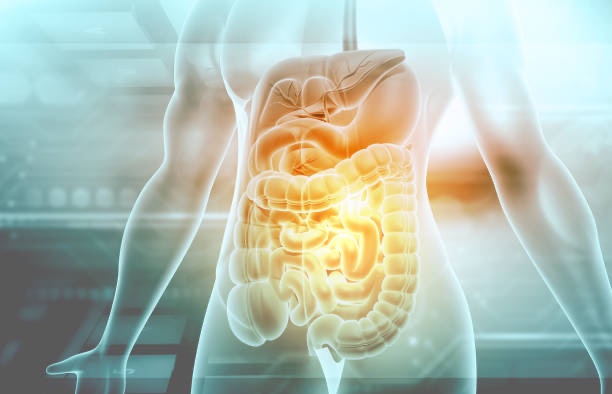
In some situations, gastrointestinal symptoms such diarrhea, constipation, and appetite loss may appear.
5.Cognitive Decline

Long-term deficiency can cause cognitive decline, which includes memory and concentration issues, problems with cognitive function, and a higher chance of neurodegenerative diseases like Alzheimer’s disease.
6.Cardiovascular Issues
Heart disease and stroke risk can be raised by elevated homocysteine levels, a chemical linked to B12 deficiency.
7.Vision Issues
Severe deficiency might cause vision problems, such as double or blurred vision
8.Heart health
According to some study, a B12 deficiency may raise the risk of cardiovascular issues because homocysteine metabolism is a part of B12, and homocysteine levels, when elevated, can be a risk factor for heart disease.
9.Mood Regulation
Recent studies have connected mood disorders including depression and anxiety to B12 deficiencies. Although the precise mechanisms are not entirely known, it is evident that B12 plays a function in the modulation of neurotransmitters, which can have an affect on mood.
Prevention and Treatment
Preventing vitamin B12 deficiency is essential for maintaining good health. Strategies include:
Dietary Changes: If you follow a vegetarian or vegan diet, include foods high in vitamin B12 in your diet. Think about including fortified meals like cereals and vegan milk.

Lifestyle Awareness: Be aware of lifestyle variables that raise your risk of deficiency, such as age, certain drugs, or underlying medical issues. Regular health examinations can aid in early deficiency detection.
Supplementation: In some circumstances, doctors may advise vitamin B12 injections or pills to treat deficiencies. For advice, speak with a healthcare practitioner.
Conclusion
Meat, dairy products, and eggs are the main sources of vitamin B12. Those who are vegan, elderly people, and people with specific medical issues are more likely to experience a shortfall. Depending on the severity of the deficit and the underlying reason, dietary adjustments, supplements, or injections may be required to prevent and cure B12 deficiency. Consult a Certified Nutritionist right away if you think you might have a B12 deficiency for an accurate diagnosis and treatment.

 Detoxpri
Leave a comment