
You’ve probably heard whispers about MCT oil as a fat-burning, metabolism-revving superfood. Here, we unpack the rumours and explain exactly what MCT is, the potential benefits, how to use MCT oil, and whether you should add it to your diet.
MCT oil was popularized by Dave Asprey who mixed it into his coffee to make his fat-burning concoction that he calls Bullet-Proof Coffee.
What is MCT Oil?
MCT stands for Medium Chain Triglyceride. It’s a high-quality saturated fatty acid, that comes mainly from coconut oil and it’s a great fuel for not only your body but also your brain. It is found in foods and consisted of a unique chemical structure that is metabolised differently compared to other fats.
Usually, when you eat fat from other sources, like let’s say vegetable oils, the fats go from your gut to your lymphatic system, and then into your circulation where they can be taken up by your fat cells and stored as future energy.
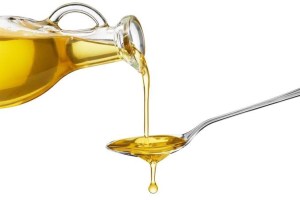
But MCTs go directly from your gut to your liver, which burns them up for immediate energy. The fats in this oil can easily be converted into ketone to produce energy in our body and they don’t get stored in our body like other fats.
MCT oil best works with the intermittent and keto diet showing effective results.
What Is Pure MCT Made Of?
MCT is a man-made saturated fatty acid.
Why not just coconut or just palm?
Because plain palm and plain coconut contain longer-chain triglycerides as well.
What Makes MCTs Unique?
1.MCTs (6 to 8 carbon molecules) are digested more quickly and are regarded as a clean fuel source for the body and brain, they will provide your body with the energy it needs without overloading it with unnecessary substances like processed foods and added sugar.
2.MCTs, are preferentially available for hepatic mitochondrial β-oxidation (i.e., energy production) and are absorbed and delivered to the liver intact.
MCT vs. Coconut Oil
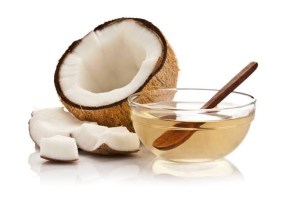
While MCT is largely derived from coconut, coconut oil doesn’t contain the same metabolic properties as MCT does; coconut oil comprises about 60% MCTs while pure MCT is 100%.
Moreover, a significant portion of it is lauric acid (C12), which is not as well absorbed as caprylic and capric acid. According to certain research, lauric acid functions more like a long-chain fatty acid and must first be metabolized in the liver in order to be used.
Why are MCTs good for weight loss?
When it comes to weight loss, MCT seems to be the fat that helps you lose fat. It has many properties that make it a great weight loss aid.
Here are 7 Health Benefits of MCT Oil
1. Enhanced Thermogenesis: MCTs may increase thermogenesis, the process by which your body burns calories to produce heat. This can lead to a slight increase in your metabolic rate, potentially burning more calories at rest.
2. Increased Energy Production: Since MCTs are readily oxidized in the liver, they provide a rapid energy source in the form of fat and ketones.
3. Boosted Metabolism: MCTs may slightly increase your metabolic rate, leading to a small increase in calorie burning.
4. Increased Satiety: Studies show that MCT oil can boost feelings of fullness and reduce overall calorie intake compared to other fats. This can help you eat less without feeling deprived.
5. Controls Blood Sugar: MCT oil effectively lowers insulin resistance in diabetics, allowing the body to more easily digest glucose and other sweets. This in turn keeps blood sugar levels within the normal range, avoids additional problems like obesity, and stops abrupt rises in blood glucose levels.
6. Boosts immunity: The special fatty acids found in MCT oils made from coconut oil have excellent antifungal and antibacterial properties. Thus, by boosting the body’s natural immune system defenses and fending off dangerous chemicals, MCT oil protects the body against a variety of infectious diseases.
7. Body Fat Reduction: Some research suggests MCTs may promote the burning of fat for fuel, potentially leading to reduced body fat stores.
How to Use MCT Oil for Weight Loss ?
Pure MCT oil is a clear, flavourless liquid that should be consumed plain without heating it. It’s unrefined, so it has a low smoke point and does not respond well to heat. Cooking is not one of the MCT oil uses.
So how can you use MCT oil?
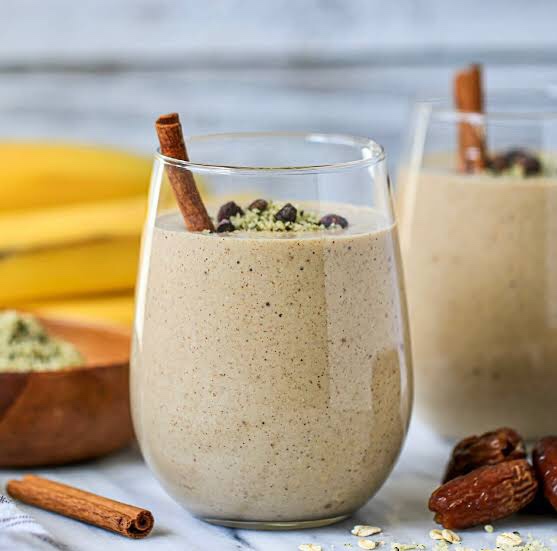
Most commonly, you can add plain oil to:
• Smoothies
• Salad dressing
• Coffee
A meal or drink can easily incorporate it because the serving size typically varies from half a tablespoon to three teaspoons. Furthermore, keep in mind that MCT is still a calorie-dense liquid fat—one tablespoon has 100 calories.
Solid coconut oil, which is high in MCTs, can be used in cooking and may be used to replace olive oil or other cooking oils.
Risks and considerations
- MCT oil has many advantages, but consuming too much of it at once can increase the risk of harmful liver fat accumulation.
- Consuming MCT oil increases a person’s calorie and fat intake. Therefore, using MCT oil excessively could be harmful and result in weight gain.
- The majority of 100% MCT oils available on the market advise experimenting with half a spoonful at first to observe how your digestive system reacts.
- It’s also important to keep in mind that if you’ve never taken MCT before, starting with one teaspoon and working your way up to the appropriate quantity is usually the best course of action because an excessive dose can have some very nasty GI side effects, including as cramps, diarrhea, and abdominal pain.


 Detoxpri
Leave a comment