
Athletes see each meal as an opportunity to refuel: How much protein can I fit into this meal? How can I add more good fats? It’s what drives performance.
As an athlete, your diet plays a critical role in your performance, recovery, and overall health. While some foods can enhance your abilities, others can hinder your progress.
Here’s a list of the ten worst foods and drinks for athletes that you should steer clear of to keep your body in peak condition.
Top 10 foods an athlete would never eat
1.Diet Soda
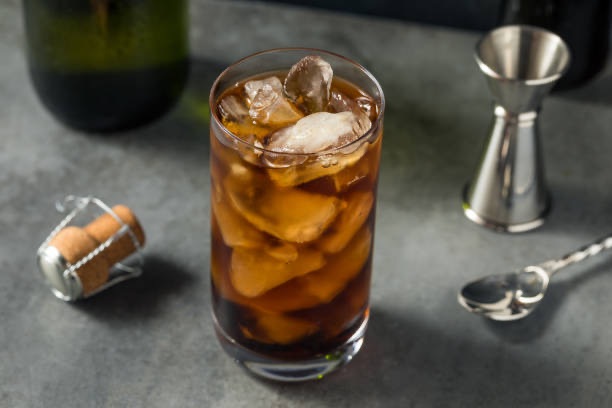
Nutritionally void foods like sodas offer no health benefits, but consuming artificially sweetened foods like a can of diet soda per day could significantly increase your risk for health problems and weight gain.
Artificial sweeteners trick the body into thinking you’re consuming real food, and because they’re over 100 times sweeter than the real thing, your body starts producing insulin (the fat-storage hormone). Diet sodas tend to instantly satiate you but eventually cause dehydration and elevated sugar cravings. They are also tough to digest and interfere with your energy levels. Instead try these 9 Refreshing and Nutritious South Indian Summer Drinks
2.Canned Soup
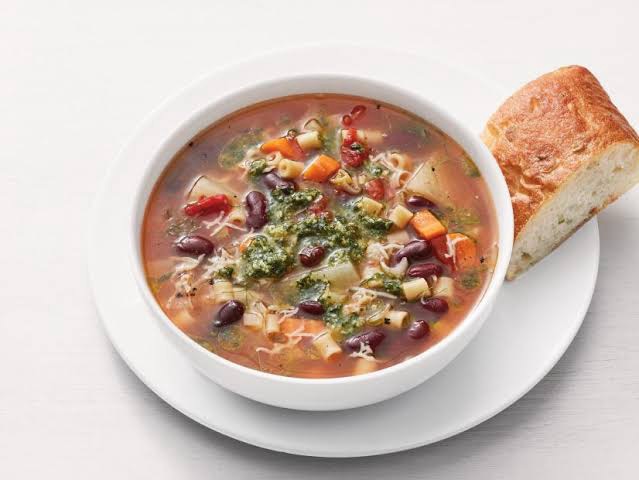
Although canned soup can be convenient, they aren’t necessarily healthier than other highly processed snacks. Some soups are so processed and rich in salts that they overshadow the health benefits. Their long shelf life can be enough for the heads-up.
It would rather be better to consume low-sodium or homemade soups. The body requires sodium, especially when sweating it out during your training session to function appropriately. Too much sodium, on the other hand, can lead to high blood pressure. Instead try this Immunity boosting CBT Soup.
3.Refined Carbs
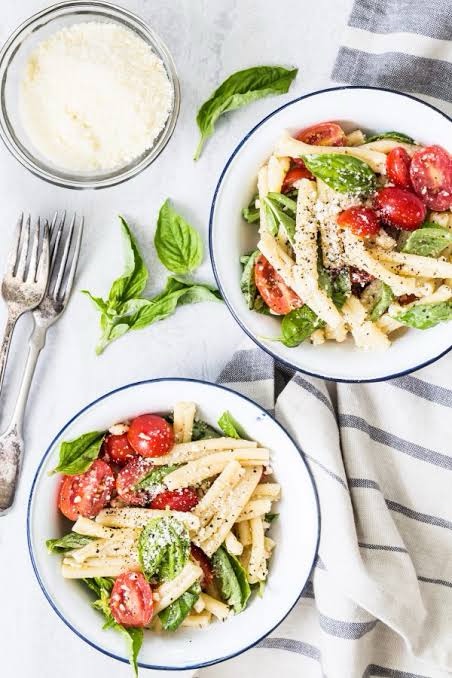
Refined carbs like White pasta, rice, and breads often contain little to no nutritional value, especially in comparison to their whole-food counterparts. Refined white flour is made by stripping the fibre, wheat germ, and essential B vitamins from the wheat kernel—what’s left is a highly processed food product.
What’s worse, they tend to cause a quick spike in blood sugar levels, leading to an energy crash. Foods like this lead to deficiencies, inflammation, digestive issues, hormone imbalances, blood sugar issues, and much more, that no athlete wants to deal with when looking to reach the peak of their abilities.
4.Granola
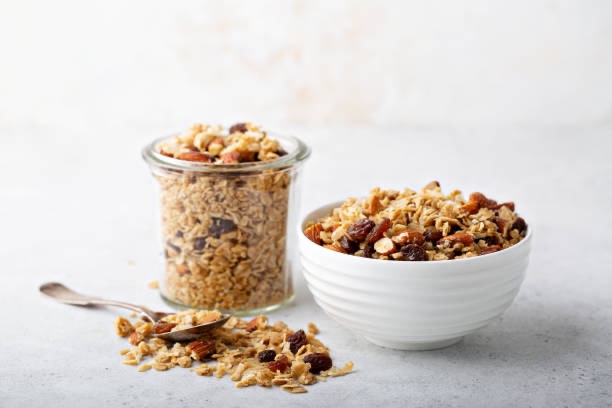
Granola might seem healthy, with fibrous oats as the base, but it’s not exactly all it’s cracked up to be. Most versions of the cereal come stacked with high amounts of sugar, unnecessary fat, and an excess amount of calories.
An excellent way to start your day is with plain rolled oats with a scoop of nut butter and honey. Sugar can also cause an insulin spike, which will lead your body to store more calories resulting in more stored fat. Try this healthy Bircher Muesli Recipe.
5.Alcohol

Consuming anything in moderation, especially alcohol is the key to maintaining a high level of fitness. How many serious athletes you know regularly shoot beers or toss off alcohol?
Alcohol has a lot of adverse effects on your physical health. Too much alcohol inhibits muscle recovery, impairs motor abilities, and decreases strength and sprint performance. It also dehydrates you since it is a diuretic. According to research, alcohol also suppresses the immune system. It reduces the body’s capacity to recover, thus increasing your risk of disease and injury.
6.Sports Drinks
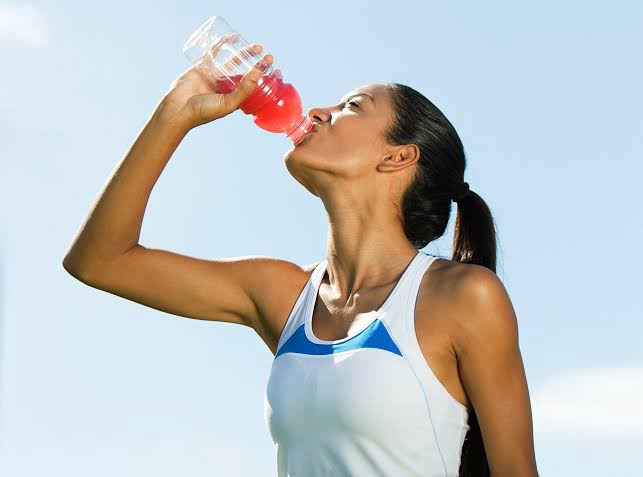
These electrolyte-enhanced drinks can contain as much as 34 grams of sugar and don’t contain any true nourishment. They contain synthetic nutrients, dyes, and other highly processed ingredients. Athletes should drink water and replenish their energy with other beverages.
Instead, if there is a true need for liquids beyond water while playing a sport, there are naturally occurring electrolyte beverages that don’t contain damaging ingredients, such as raw coconut water and Tart cherry juice. They have been called miracle-workout elixirs.
7.Nutrition Bars
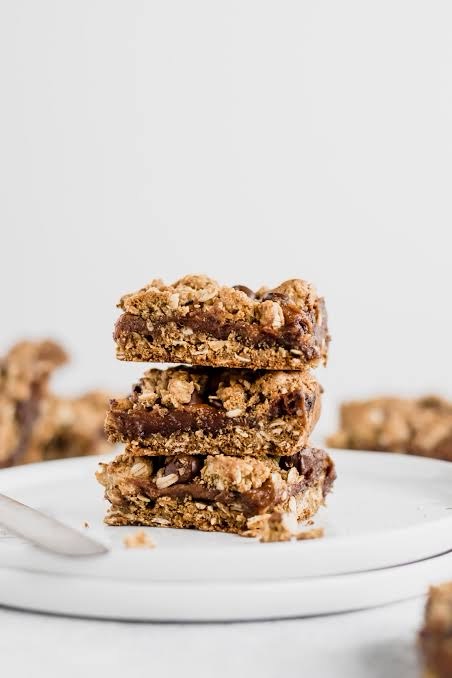
The problem with most bars—be it snack, protein, or energy—contain high amounts of sugar (added and natural), refined carbohydrates, preservatives, highly-refined ingredients and are very low in true nutrition. Protein bars are high in calories to aid muscle growth,
but they can quickly add weight if you eat them after a workout or if you don’t exercise. Likewise, nutrition and snack bars are often high in saturated fats and sugar bombs with add-ins like nuts, dried fruit, and chocolate. You want to opt for bars with minimal ingredients, here 3 Healthy Homemade Energy Bar to try.
8.Flavored Yogurt
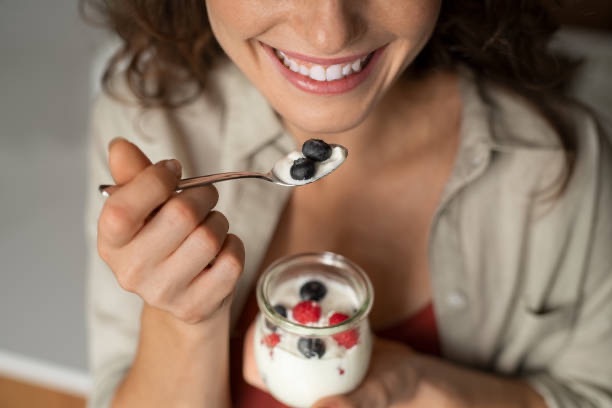
Flavoured yoghurt cups are portable and tasty, but they host an avalanche of sugar—especially ones with fruit at the bottom or granola add-ins. This will prevent you from achieving a lean, shredded physique and spike your blood sugar,
upping your odds of binging on food and experiencing an energy crash. Plain greek yogurt is a far better breakfast for serious fitness and health enthusiasts because it’s protein-packed and, if you go with plain, relatively low in sugar.
9.Fruit Juice
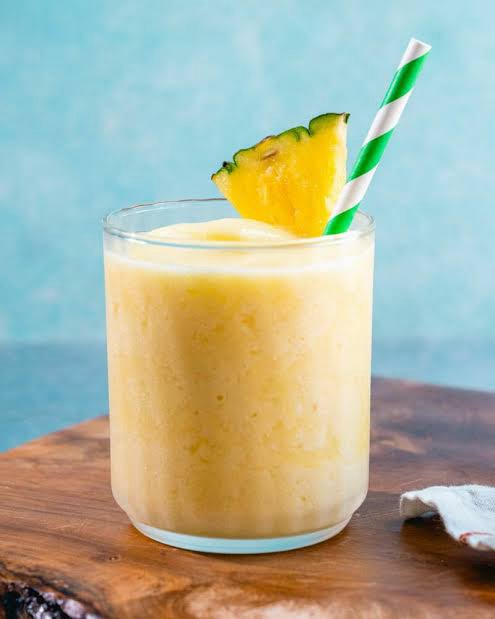
Fruit juice is deceiving. It’s got fruit, and you know that has essential vitamins and minerals, but it also has a boatload of sugar. Sugary juice can spike your sugar levels while providing a relatively limited amount of nutrition to off-balance those spikes.
What’s more, it lacks the component in fruit—the skin and fibrous flesh—that holds majority of its nutrition. And since you’re not chewing, the sugar (most of which is fructose) is sent to the liver very quickly—which can be lodged and stored there as fat. Juicing your own fruits and vegetables is one of the healthiest ways to replenish vitamins and minerals after an exercise.
10. Foods With Hydrogenated Oils & Trans Fats
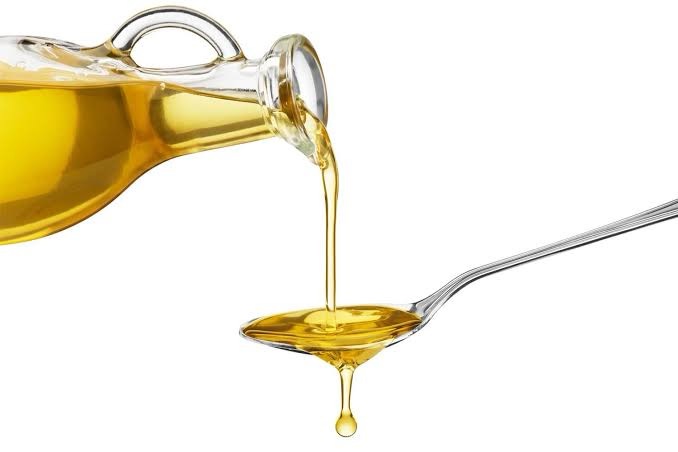
These aren’t exactly foods. They’re ingredients—ones you should avoid at all costs.“Hydrogenated oils and trans fats are present in vegetable oils like canola oil that have had a hydrogen molecule added to their chemical structure through a process called hydrogenation”.
They’ve been shown to increase belly fat and abdominal obesity, and cause an inflammatory response in the body, which impairs optimal recovery. You can replace hydrogenated vegetable oil with olive oil, avocado oil, or coconut oil. And check the labels of what you eat to make sure trans fats aren’t hiding there. Here are 13 types of oil with their Health Benefits and Uses
Conclusion
To achieve peak athletic performance, it’s essential to fuel your body with the right foods and avoid those that can harm your health and hinder your progress. By steering clear of these ten worst foods and drinks, you can enhance your performance, support recovery, and maintain optimal health.
What’s Holding You Back??
The experts at Detoxpri Nutrition programme provide everything from personalized nutrition plans to pro-level coaching to get you where you want to be — at the top. Start your free trial today!
Also Read :
1.What Should You Eat After A Game for Muscle Recovery.
2.10 Superfoods to Increase Energy and Stamina

 Detoxpri
Leave a comment