
What is magnesium?
Magnesium is essential to our well-being. It is a vital mineral that plays a key role in over 300 enzymatic reactions in the body.
Magnesium has many crucial roles, such as supporting muscle and nerve function, regulating blood pressure, energy production, and digestion and helps maintain bone health. It also assists in maintaining electrolyte balance and calcium, sodium, and potassium homeostasis.
Why We Need Magnesium?
Magnesium allows our muscles to move the way they’re supposed to. It also supports nerve signals, keeps our heart rhythms steady, blood sugar levels balanced, and our joint cartilage healthy. Without it, our muscles can’t move the way they’re supposed to. Our nerves can’t send and receive messages.
However, our bodies don’t make magnesium on their own, which is why foods high in magnesium are so important
Signs and Symptoms of Magnesium Deficiency
Magnesium deficiency, also known as hypomagnesemia, can present in many ways, but it mainly affects the heart and neuromuscular system. Some signs of magnesium deficiency include:
- Loss of appetite
- Nausea and vomiting
- Fatigue and weakness
- Muscle spasms or cramps
- Numbness or tingling in the legs or hands
- Headaches
- Nighttime leg cramps
- Tremors
- Heart palpitations
- Abnormal eye movements (nystagmus)
Here’s a look at some of the best sources of magnesium in Indian diets.
10 Foods That Are Naturally High in Magnesium
1. Spinach (Palak)
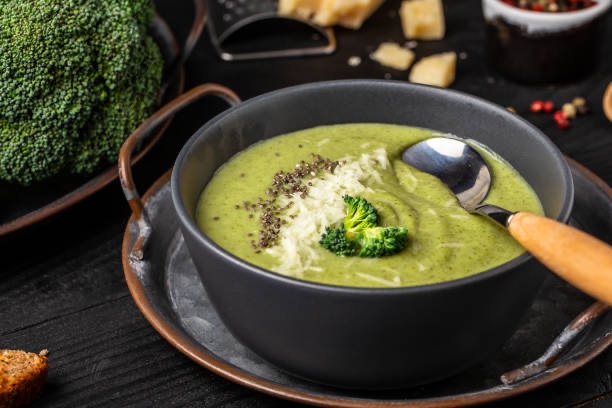
Spinach is one of the top leafy greens for magnesium. A cup of cooked spinach can provide around 157 mg of magnesium, covering about 40% of the recommended daily intake.
Spinach is commonly used in various Indian dishes such as Palak Paneer, Palak Dal, or simply as sautéed greens.
Recipe: Palak Dal
- Ingredients: Split yellow moong dal, fresh spinach leaves, garlic, turmeric, cumin seeds, ghee, and green chilli.
- Cooking: Cook dal and spinach with turmeric and a pinch of salt. Temper it with garlic and cumin seeds in ghee for a nutritious and magnesium-rich meal.
2. Pumpkin Seeds (Kaddu ke Beej)

Pumpkin seeds are one of the best plant-based sources of magnesium. A 28-gram serving (about a handful) provides nearly 150 mg of magnesium. A quarter cup of pumpkin seeds is almost
half the daily recommended value of magnesium. Sprinkle them on salads, add them to smoothies, or toss them on your Greek yoghurt. Along with other seeds, they are rich in iron.
Recipe: Dairy-free Pumpkin Soup
3. Almonds (Badam)
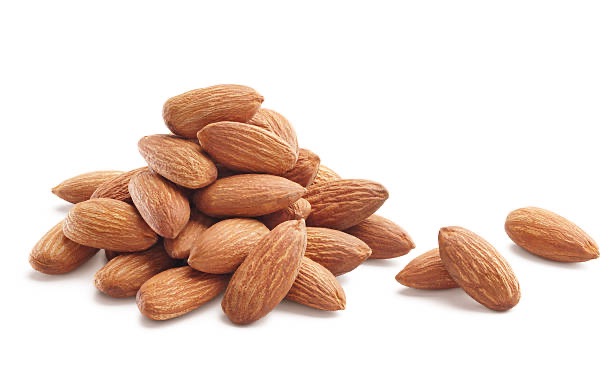
Almonds are a common dry fruit in Indian households, known for their healthy fats and high magnesium content. One ounce of dry roasted almonds (about 23 almonds) offers 80 mg of magnesium.
From spreading almond butter on apples to topping oatmeal with chopped almonds, there are many ways to incorporate this nut into your daily eats.
Recipe: Badam Milk
- Ingredients: Almonds, milk, cardamom, and a sweetener (optional).
- Cooking: Soak almonds overnight, blend them into a smooth paste, and cook with milk, cardamom. This drink is often consumed for its nutrient-rich benefits.
4. Black Beans

Beans of all varieties contain potassium, iron, and protein, along with magnesium. A serving size of 1/2 cup cooked black beans contains 60 mg of magnesium. Add them to grain bowls or
vegetarian nachos, or as part of stews and soups. Black beans are loaded with antioxidants, fibre, and folate.
Recipe: Black Bean Curry
- Ingredients: Soaked black beans, onion, tomato, garlic, ginger, and Indian spices.
- Cooking: Pressure cook the beans and make a curry with a base of onion, tomato, and spices. Serve with rice or millet.
Try this Bean, Corn, and Avocado Salad
5. Cashews (Kaju)
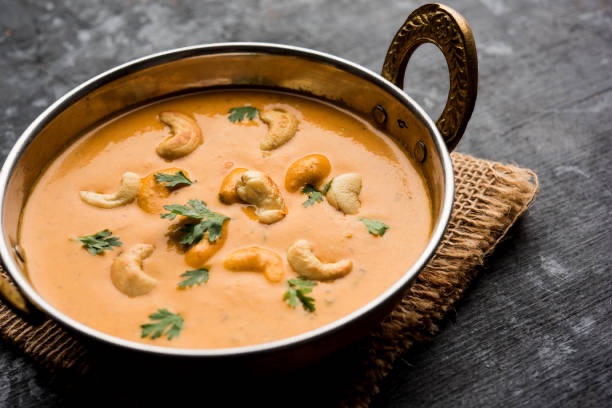
Cashews, another staple in Indian cuisine, provide about 83 mg of magnesium per 28 grams. In addition to high levels of phosphorus and potassium, cashews are a creamy nut with
healthy fats and magnesium. Cashews provide the base for delicious vegan pasta sauces, ice cream, and more.
Recipe: Kaju Curry
- Ingredients: Cashews, onion, tomato, ginger, garlic, cream, and spices.
- Cooking: Blend cashews into a smooth paste and add to a tomato and onion-based curry. This rich dish pairs well with naan or jeera rice.
6. Sesame Seeds (Til)
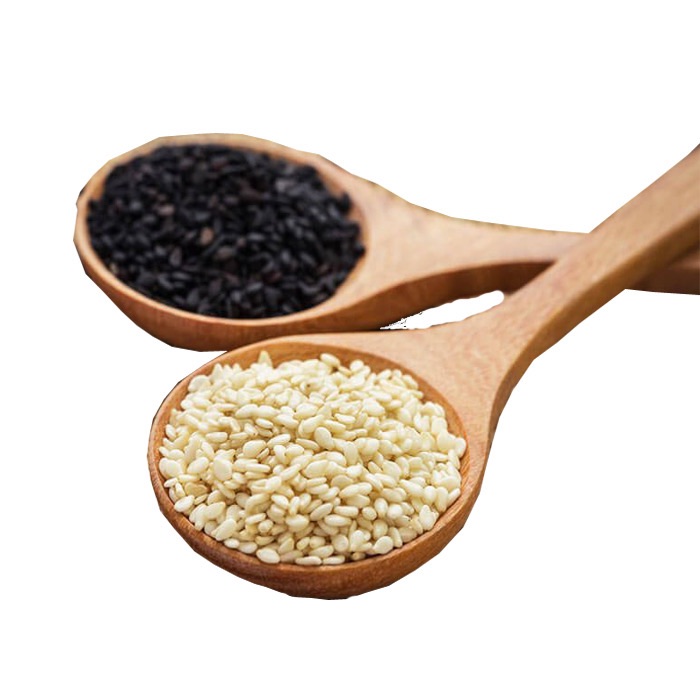
Sesame seeds are frequently used in Indian cooking, especially during festivals and winter months. One tablespoon of sesame seeds offers around 30 mg of magnesium.
Here are the Health benefits of eating sesame.
Recipe: Til Gur Chikki
- Ingredients: Sesame seeds, jaggery, and peanuts.
- Cooking: Roast sesame seeds and mix with melted jaggery and Roasted peanuts to create crunchy chikki, a traditional Indian sweet.
7. Bananas (Kela)

Bananas, are a widely consumed fruit in India, Although they are best known for their high potassium content, they are also rich in magnesium.
They are often eaten raw or added to desserts, smoothies, or breakfast dishes. One medium banana has 35 mg of magnesium. They also contain vitamin C and fibre.
Recipe: Banana Smoothie
- Ingredients: Ripe banana, yoghurt, milk, almonds, and honey.
- Cooking: Blend all ingredients to create a refreshing and magnesium-rich smoothie, perfect for a quick breakfast.
Try These 5 Delicious Recipes with Ripe Bananas!
8. Whole Grains (Rajgira, Jowar, Bajra)
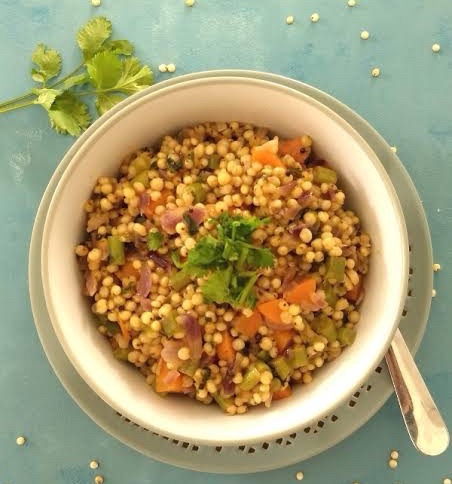
Whole grains like amaranth (rajgira), sorghum (jowar), and pearl millet (bajra) are excellent sources of magnesium and are commonly consumed in India.
A cup of cooked jowar or bajra can provide around 80 mg of magnesium. These grains are often used to make ragi dosa, bajra khichdi, or millet porridge.
Recipe: Jowar Roti
- Ingredients: Jowar flour, water, and salt.
- Cooking: Knead the jowar flour with water and make small rotis. Cook them on a tawa until lightly browned.
Try this Gluten-Free Jowar Upma
9. Mung Beans (Moong Dal)
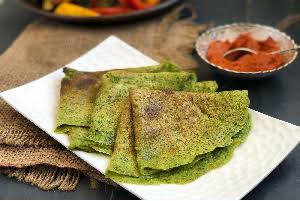
Mung beans are another excellent source of magnesium, with around 97 mg per cooked cup. They are light and easy to digest, making them a popular choice in Indian households.
Mung beans, commonly used in Indian dals, soup, khichdi, or moong dal cheela.
Recipe: Moong Dal Khichdi
- Ingredients: Split moong dal, rice, cumin seeds, ghee, and vegetables.
- Cooking: Cook moong dal with rice, ghee, and spices to create a comforting and nutritious dish.
10. Dark Chocolate
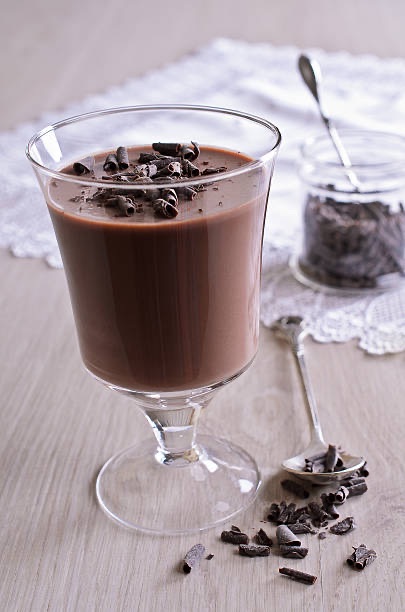
Dark chocolate is becoming increasingly popular in India, it is very rich in magnesium, along with iron, copper, antioxidants, and prebiotic fibre (to feed healthy gut bacteria).
A 100-gram serving of dark chocolate contains 228 mg of magnesium. You can use it to make healthy desserts like dark chocolate bars or chocolate-covered nuts.
Recipe: Low-calorie Spiced Hot Chocolate
Conclusion
Including these magnesium-rich foods in your Indian diet can help you meet your daily magnesium needs. By incorporating leafy greens, seeds, legumes, and whole grains into your meals, you can naturally boost your magnesium intake and support overall health.
Related : 10 Best Food to Increase Testosterone Levels Naturally

 Detoxpri
Leave a comment