
When you’re down with a fever, Your appetite might be nonexistent, but when you have a fever, you’re burning more calories than you normally would because of the added strain on your body. Plus, when you’re fighting off an infection, your body needs nutrients and energy to boost your immune system. In other words, you must muster the strength to eat.
The right food can help support your immune system, maintain hydration, and provide energy, while certain foods should be avoided to prevent worsening the condition.
This article covers what to eat when you have a fever, why these foods are beneficial, and which foods to avoid.
What Happens to Your Body When You Have a Fever?
A fever is often a sign that your body is fighting an infection, whether from a virus, bacteria, or other causes.

When you have a fever, your body temperature rises as a natural defence mechanism to fight off infections, such as viral or bacterial infections.
This increase in temperature can accelerate your metabolism, leading to faster nutrient depletion. That’s why it’s essential to eat nutrient-dense foods and stay hydrated to support your body’s immune response.
Key Nutrients That Help You Fight Infections
Hydration: Fever can lead to dehydration, so maintaining fluid balance is essential.
Protein: Supports immune function and tissue repair.
Vitamins and Minerals: Especially Vitamin C, Vitamin D, Zinc, and Iron, all of which boost immunity.
Best Foods to Eat When You Have a Fever
1. Hydrating Fluids

Staying hydrated is the most important aspect of managing a fever. High fever can lead to dehydration, which can worsen symptoms like fatigue, dizziness, and headache. Drinking plenty of
fluids helps regulate body temperature and supports the body’s ability to flush out toxins.
- Coconut Water: Unlike plain old H2O, it’s rich in potassium, which your muscles and nerves need to function properly and your body requires to regulate your heartbeat. Plus it helps replenish the vital fluids and essential electrolytes you squander as a result of sweating or diarrhoea.
- Herbal Teas: Ginger, chamomile, and peppermint tea are soothing and can help reduce inflammation. Chamomile is known for its calming properties, while peppermint has a cooling effect that can provide relief during high fevers.
- Broth-based soups: Chicken soup is often regarded as a comfort food for sick days and good reason. It’s packed with fluids, protein, and essential amino acids that help your body recover. The warm liquid also helps clear nasal congestion, soothes a sore throat, and keeps you hydrated.
- Bone Broth: Clear broths provide fluids and essential nutrients, like sodium and potassium, which help replenish electrolytes lost due to fever. Bone broth is particularly beneficial, as it contains amino acids like glycine and proline that help reduce inflammation and support immune function.
2. Fresh Fruits and Vegetables

When you have a fever, your immune system needs extra vitamins and antioxidants to fight infection. Most fruits and vegetables contain at least 80 per cent water, so they are wonderful for rehydrating, plus many
contain a significant amountof Vitamin C and are packed with nutrients to boost immunity. Opt for easy-to-digest fruits like:
- Citrus fruits: Oranges, lemons, and grapefruits are rich in Vitamin C.
- Berries: Blueberries, strawberries, and raspberries contain antioxidants that can help reduce inflammation.
- Bananas: A gentle option that replenishes potassium, which may be depleted during fever.
- Avocados: They are a good option as they’re less likely to cause any gastrointestinal discomfort.
Also read 6 Foods you should never eat with Citrus Fruits
3. Whole Grains and Easily Digestible Carbohydrates
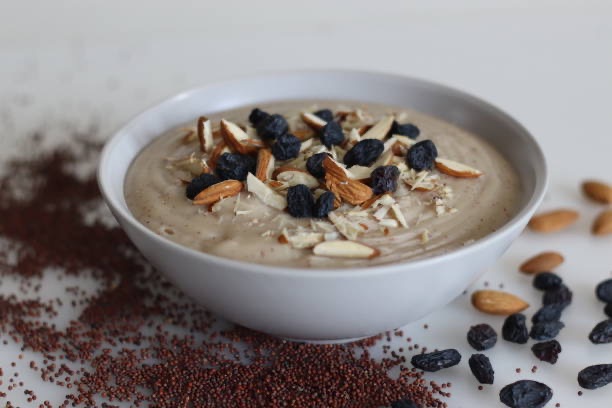
Whole grains provide essential nutrients like magnesium, zinc, and B vitamins, which support your immune system. Carbohydrates, like oats, brown rice, and quinoa, provide sustained energy
and are easy on the stomach and provide long-lasting energy. During a fever, your body may burn more calories, so these complex carbohydrates can provide the necessary energy.
They are also a great source of fibre and complex carbohydrates, which help keep your blood sugar levels stable. Here are 5 Mistakes to Avoid When Making Overnight Oats.
4. Probiotic-Rich Foods

Probiotic-rich foods like yogurt, kefir, and fermented foods promote gut health, Since a large portion of your immune system resides in the gut, maintaining a healthy balance of good
bacteria can support overall immunity. These foods can help restore healthy gut bacteria, especially if your fever is related to a digestive infection.
Choose unsweetened, plain yoghurt to avoid added sugars, which can increase inflammation. Here are 7 Must-Eat Fermented Indian Foods for a Healthy Gut
5. High-Protein Foods

When it comes to infection-fighting nutrients, protein is at the top of the list. That’s because your body needs protein to develop antibodies, which help protect you from invading pathogens.
During fever, it’s important to maintain muscle mass and provide your body with the building blocks it needs to repair itself. High protein sources like chicken, turkey, beans, nuts, and tofu are easy to digest and support immune function. Eggs — which also contain vitamin D (a micronutrient essential for immune function) — are another abundant source of protein.
6. Ginger and Garlic

Both ginger and garlic have anti-inflammatory and antimicrobial properties that can alleviate fever symptoms. Garlic contains allicin, which is an antibacterial compound that can help reduce inflammation and possibly
fight a fever. Ginger is another spice that can support the immune system. “Gingerol, its active compound, has medicinal properties that aid with inflammation, nausea and vomiting, among other symptoms.
Try adding fresh ginger and garlic to soups or teas for maximum benefits. Here are the World’s Healthiest Spices You Should Be Eating.
Foods to Avoid When You Have a Fever

1. Sugary Foods and Drinks
Sugar can promote the growth of harmful bacteria and reduce the body’s ability to fight infections. Excessive sugar can suppress immune function and lead to energy crashes.
- Examples to Avoid: Candy, soda, sugary cereals, and desserts.
2. Caffeinated Beverages
Caffeine is a diuretic and can dehydrate your body, which is particularly problematic when you’re already dealing with fever-induced dehydration. These beverages can also interfere with your sleep, which is essential for recovery.
- Examples to Avoid are coffee, energy drinks, and high-caffeine teas.
3. Fried and Greasy Foods
Fried and greasy foods can be heavy on the stomach and hard to digest, which may cause further discomfort when you’re already feeling unwell. These foods also promote inflammation, which can worsen fever-related symptoms.
- Examples to Avoid: French fries, fried chicken, greasy fast foods.
4. Dairy Products
While dairy products are a good source of protein and calcium, they can sometimes increase mucus production, particularly in those with a sensitivity to dairy. This can exacerbate symptoms like congestion and a sore throat.
- Examples to Avoid: Milk, cheese, and ice cream.
5. Spicy Foods
Spicy foods can irritate the stomach lining, which might be sensitive during a fever. They may also increase sweating, potentially leading to further dehydration.
- Examples to Avoid: Hot sauces, chilli peppers, and heavily spiced curries.
6. Alcohol
Just like caffeine, alcohol is a diuretic and can contribute to dehydration. Alcohol can also impair your immune system’s ability to function properly, making it harder for your body to fight off the infection causing the fever.
How to Manage Fever with Food and Fluids
Here are a few tips to help you feel better faster:
- Eat smaller, more frequent meals to prevent nausea and promote digestion.
- Drink fluids regularly throughout the day to stay hydrated and avoid dehydration.
- Rest as much as possible to allow your body to focus on healing.
Conclusion: Nourish Your Body to Recover Faster
When you’re experiencing a fever, your body requires extra care, including proper nutrition. By focusing on hydrating fluids, easy-to-digest proteins, and nutrient-dense fruits and vegetables, you can support your immune system and speed up recovery.

 Detoxpri
Leave a comment