
Winter is not just about keeping yourself warm. It’s also about keeping your body healthy and glowing.
Winters can be especially harsh on the skin, as it is the season of dryness, dullness and peeling of the skin. The cold blow takes away the natural moisture from the skin.
Dry skin is the number one enemy in the winter. When we moisturize, we often forget about our lips and our scalp. Once you fall behind, your lips can start cracking or even become infected. The longer you go, the worse it will get.
As winter starts people change their diet to fat-rich food, but do you know what exactly to include in your diet? Certain superfoods can help.
Food plays an important role in nourishing your skin during winters.
However, a change in diet concerning each season is a must, as a result, it will only help in supplying the body with the right fuel and healthy glowing skin.
10 Foods to Keep Your Skin Healthy and Glowing in Winter
1. Olive Oil
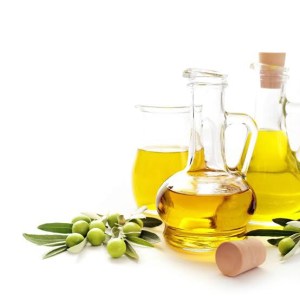
This Mediterranean staple is full of Vitamin A and E, antioxidants, antibacterial properties and fatty acids. It has emollient properties that help hydrate the skin and maintain its flexibility.
Olive oil is rich in antioxidants that eliminate free radicals and prevent discolouration, UV damage and promote your skin’s natural production of collagen.
A natural substance in olive oil called squalene can also hydrate hair and nails all while helping to keep skin plump. Of course, the type of olive and its source can vary, so for the most health benefits and antioxidants, opt for extra virgin.
How to use olive oil: You could add it to your salads, cooking, try these 10 best olive oil recipes from The Guardian.
2. Almonds

Almonds are natural emollients that hydrate the skin and prevent dryness. They are also rich in Vitamin E – a very good free radical scavenger. Not only do almonds provide
your heart with healthy fats, but that Vitamin E helps to keep your skin hydrated and protect you from the harmful UV rays of the sun.
It also helps fight acne and eczema. Not only will these fibre-filled additions keep you feeling full, but you’ll also give your skin an extra boost too.
How to use almonds: Soak 4-5 almonds every night and eat them the next morning or toss some into your soups and salads for extra flavour. Try our homemade energy bars
3. Cinnamon Sticks

This delicious spice has amazing antioxidant, anti-inflammatory, and antimicrobial effects. Cinnamon helps stimulate circulation, which can help improve the appearance of your skin. There is also
strong evidence that cinnamon fights skin cancer cells!
The antimicrobial properties in cinnamon sticks are also important because they can reduce bacteria colonization, which can also cause acne and breakouts. So, let your stick sit for a while and enjoy all the benefits and the flavour of this wonderful seasonal spice.
How to use cinnamon sticks: can use it as a stirring stick for your coffee, tea, cider, and cocktails or simmer a cinnamon stick with your oatmeal, flavour your vegetable broth.
4. Milk & Ghee

Milk is a good source of Vitamin D. In winters, the short days and long nights, our Vitamin D levels are often lower in the winter. Milk can help with that – and all those vitamins and
calcium are good for your skin, bones, and hair.
Similarly, Ghee carries healthy fats that are beneficial to your overall health. According to Ayurveda, having ghee helps keep you warm from the inside. Also, ghee is a natural moisturizer and moisturizes the skin membrane from within.
How to use ghee: You can also add 2 teaspoons of ghee to roti, subji, lentils, and rice.
5. Citrus Fruits

Orange contains Vitamin C, which acts magically on the skin. You can eat oranges daily, or even consume them in the form of juice regularly. Besides juice, this versatile fruit can also
be used to make many dishes.
Another fruit is Grapefruit, which is rich in vitamin C and also rich in lycopene, a chemical that helps keep the skin smooth and protects it from UV rays.
How to use citrus Fruits: Add bold citrus flavour to drinks, salads, desserts, and main dishes.
6. Egg

Apart from providing a healthy body, eggs can also contribute to taking care of skin health during the winter skincare hack season. People with different skin types can also use eggs
safely. The fatty acids and water content in eggs act as a moisturizer for the skin, while the egg whites, due to their astringent properties, act to tighten the pore i.e. skin cells.
How to use Egg: Mix the eggs with veggies , spices to make an omlette in olive oil or ghee. Here are 10 Healthy Ways To Eat Eggs.
7. Green Leafy vegetables

During the winter, there is no doubt about the power of green vegetables such as spinach, cabbage, kale, fenugreek and broccoli. Of all these, Broccoli is a cruciferous vegetable that is good for the skin.
It is rich in Vitamins A and C. Vitamin A helps keep the skin healthy and reduces scars. Vitamin C helps to maintain collagen production. Broccoli also contains B-vitamins that help reduce dry and flaky patches.
Spinach is also another must-have if you want to have glowing skin. It contains Vitamins A and C, and antioxidants that fend off all sorts of skin infections. Spinach is rich in iron and can help you fight anaemia and add colour to your pale skin.
How to use Green Vegetable: Make a bowl of warm spinach broccoli cream soup with some almond slivers. Toss some greens in your salad. Here is the correct way to cook broccoli.
8. Carrots

Carrot is one of the must-have superfoods for skin in the winter season. It is rich in Vitamin A, and other antioxidants, which help keep the skin healthy, nourished and glowing.
These antioxidants help fight wrinkles, discolouration, and scars. Carrots also contain lycopene, which protects the skin from the harsh sun rays.
In addition, the vitamin A found in carrots attacks free radicals and can prevent wrinkles and uneven skin tone.
How to use carrots: Add it to your salads, have juice, or even make a salad with grated carrots. Here is a Healthy Winter Special Beetroot, Carrot Tomato Soup
9. Sweet potato (Shakharkandi)
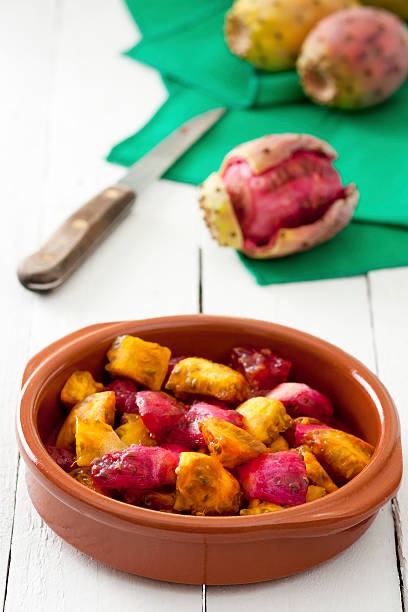
A major part of this root vegetable is water, and therefore, it will keep you hydrated from the inside. Apart from keeping your skin healthy, it provides instant energy.
It has a decent amount of protein, carbohydrates, sugar and fibre. It also consists of Vitamin A, Vitamin C, Vitamin B5 and B6 and Vitamin E. Sweet potato’s healing components reduce the risk of oxidative stress, eliminate harmful free radicals and keep the gut healthy.
How to use sweet potato: You can consume it in Mashed, baked or roasted form, try these unique sweet potato recipes here
10. Jaggery
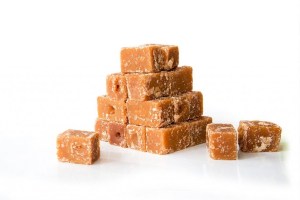
During the winter, many Indian homes make many sweets with jaggery. This is because Jaggery is not only a healthy alternative to sugar but it is also known to generate heat in the
body to keep it warm in the winter. And if you find it awkward to make sweets and desserts and taste jaggery, don’t worry. You can eat only a little after eating.
How to use Jaggery : Click here for some of the healthy jaggery recipes.
Final Note
Ingesting these foods during the winter gives the skin a healthy glow.
Most Importantly, Don’t underestimate the power of water. Water hydrates the skin and helps prevent wrinkling to keep your skin from cracking and flaking. Hate the flavour of H20?
Try making some of these refreshing detox water recipes!
Just Remember
1. Use whatever is freely available to you.
2. Keep it simple: Food for the skin
3. Eat whatever resonates with your choices. And, stretch a little if you can.
4. Be patient. Even superpowers take time to show results. The key is to be consistent
5. Enjoy whatever food you’re consuming. Your skin will show a glow. You could stick to a few food items or use a mix of all.
It may be time to make some dietary changes, as food plays an important role in maintaining skin health during the winter months.
Related : 6 Foods Behind Your Winter Weight Gain


 Detoxpri
Leave a comment