
If you have gastrointestinal issues like acid reflux or GERD, your doctor may recommend eating low-acid foods, which can help keep acid reflux at bay.
Acid reflux, also known as GERD (gastroesophageal reflux disease), occurs when stomach acid flows back into the
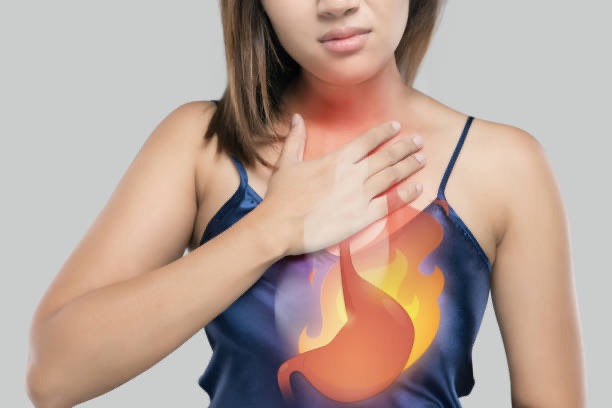
esophagus, causing discomfort. Managing your diet by incorporating low-acid foods can significantly reduce symptoms like heartburn and indigestion.
What Is the pH Scale?
The pH scale measures the acidity or alkalinity of a solution. Scientists use a logarithmic scale to measure pH levels, which generally range from 0 to 14.
- Basic/Alkaline: A pH of more than 7 indicates that the subject is basic or alkaline.
- Acidic: A pH of less than 7 indicates that the subject is acidic. The closer to 0, the more acidic something is.
- Neutral: A pH of 7 indicates that the subject is neutral.
The term “non-acidic fruits” might be a bit of a misnomer: Low-acid foods will still fall on the “acidic” side of the pH scale, but they’ll be closer to that neutral 7. The pH value of 4.6 divides low- from high-acid foods.
Here’s your ultimate list of low-acid fruits and vegetables that are gentle on the stomach and perfect for acid reflux relief.
Best Low-Acid Fruits and Vegetables for Acid Reflux
5 Low-Acid Fruits for Acid Reflux
1. Banana PH (4.5 – 5.2)

Naturally low in acid and high in potassium, bananas help coat the stomach lining, reducing irritation.
How to Enjoy: Add to smoothies, oatmeal, or eat as a quick snack.
2. Watermelon PH (5.2 – 5.8)

Low in acid and rich in water content, watermelons help dilute stomach acid and soothe the digestive tract.
How to Enjoy: Serve as a fresh salad or blend into a refreshing juice.
3. Red Apples PH (3.30–4.0)
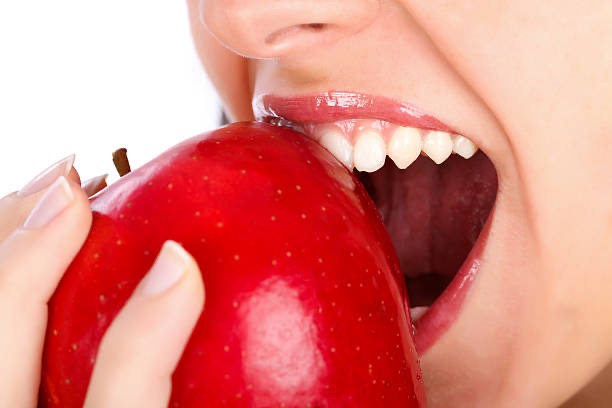
Non-tart apples, such as Red Delicious or Fuji, are less likely to trigger reflux and are a great source of fiber.
How to Enjoy: Bake with a sprinkle of cinnamon or eat raw.
4. Honeydew melon PH (6.3 – 6.7)

Melons also contain heart-healthy potassium and vitamins A and C (antioxidants with properties that help fight inflammation)
How to Enjoy: Slice them for a healthy dessert or add to salads.
5. Papaya PH (5.2 – 5.7)

Contains papain, an enzyme that aids digestion and reduces acid reflux.
How to Enjoy: Eat fresh, include in smoothies or blended into a refreshing juice.
5 Low-Acid Vegetables for Acid Reflux
1. Leafy Greens PH (6.6 – 7.2)

Spinach, kale, and lettuce are low in acid and high in fiber, these greens promote healthy digestion and prevent reflux flare-ups.
How to Enjoy: Toss into salads, soups, stews or smoothies.
2. Broccoli PH (5.6)

A cruciferous vegetable , High in fiber and nutrients, broccoli supports digestion and minimizes acid production.
How to Enjoy: Steam or roast with a dash of olive oil. Here is the healthiest way to cook Broccoli
3. Zucchini PH (5.8-6.1)
This hydrating vegetable is low in acid and versatile, zucchini supports a healthy gut.
How to Enjoy: Grill, sauté, or spiralize into noodles.
4. Cucumber PH (5.1-5.7)

Hydrating and low-acid, cucumbers are ideal for soothing an irritated stomach.
How to Enjoy: Add to salads or infuse in water for a cooling drink.
5. SweetPotatoes PH (5.3-5.6)
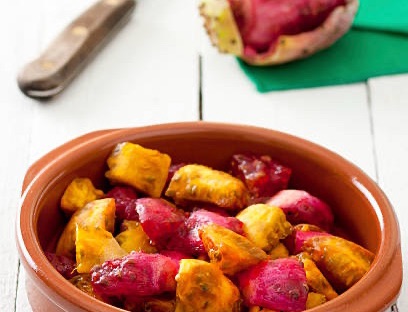
Potatoes are starchy vegetables , Alkaline and rich in complex carbohydrates, they provide a soothing effect.
– How to Enjoy: Roast, mash, or slice a potato, sprinkle with herbs, and bake the wedges in the oven until golden brown
Conclusion
If you are suffering from symptoms of digestive discomfort, then it may be time to consider the pH value of the foods you consume.
Cut out the highly processed foods full of acid and fill your diet with these non-acidic vegetables and fruits.
Here is Your Ultimate Guide to Acidity Cure

 Detoxpri
Leave a comment