What is cholesterol?
Cholesterol is a waxy substance found in your blood, essential for building cells and producing hormones. But if you have too much of it in your blood, it can stick to the walls of your arteries and narrow or even block them.
Types of cholesterol
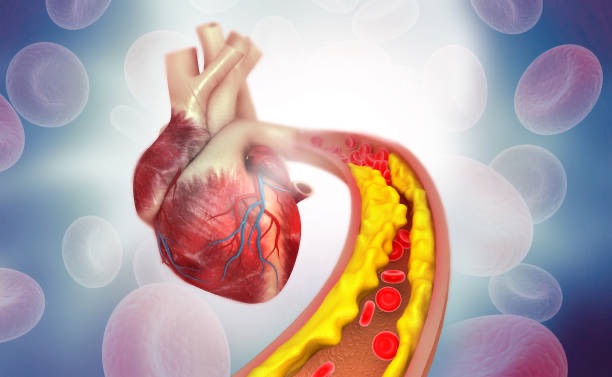
Cholesterol is made by your liver. It travels through the blood on proteins called lipoproteins. One type of lipoprotein, LDL, is sometimes called the “bad” cholesterol.
A high LDL level leads to a buildup of cholesterol in your arteries. Another type, HDL, is sometimes called the “good” cholesterol. It carries cholesterol from other parts of your body back to your liver. Then your liver removes the cholesterol from your body.
What to eat to lower cholesterol?
When it comes to your diet, several foods can help with LDL reduction The key here is to reduce, replace and improvise.
7 Cholesterol-Lowering Foods to Add to Your Diet
1. Oats and Whole Grains
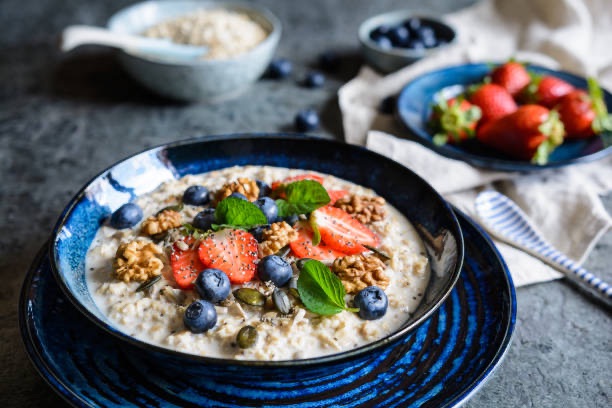
Oats and other whole grains such as barley, quinoa and brown rice contain soluble fibre that can help reduce your LDL cholesterol by binding to it and expelling it from the body.
Soluble fibre can reduce the absorption of cholesterol into your bloodstream. Start your day with a hearty and delicious bowl of oatmeal or incorporate whole grains into soups and salads.
2. Almonds and other nuts
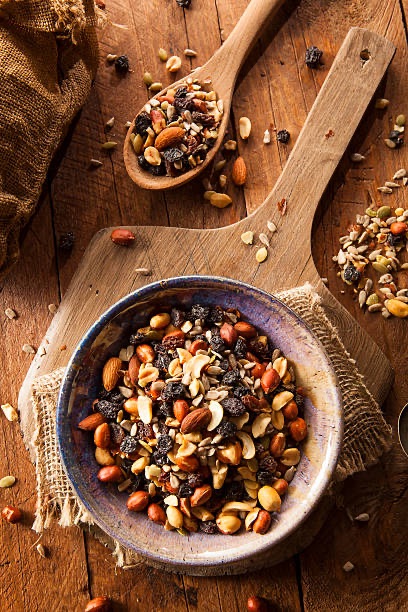
Almonds and other tree nuts can improve blood cholesterol. Almonds, walnuts, pistachios, and other nuts are packed with healthy fats, fibre, protein and plant sterols that lower LDL cholesterol.
Snack on a handful of nuts or add them to smoothies and yoghurt. Just be sure to limit your portions to a handful because they are high in calories.
3. Fish and omega-3 fatty acids
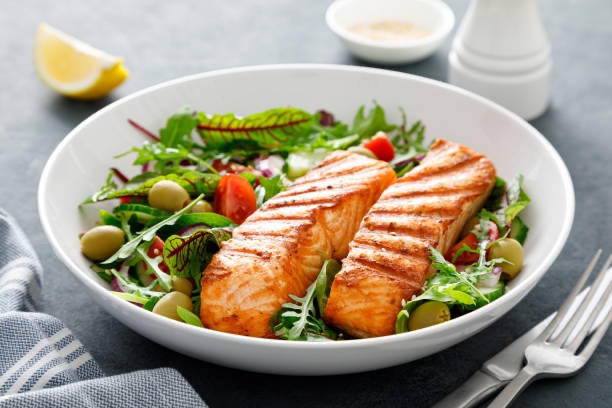
Fatty fish have high levels of omega-3 fatty acids, which can reduce your triglycerides — a type of fat found in blood. This type of fat can also lower triglycerides in the blood
and can also reduce inflammation. The highest levels of omega-3 fatty acids are in Salmon, mackerel, tuna, trout and sardines. Grill or bake for a healthier option.
4. Non-starchy vegetables
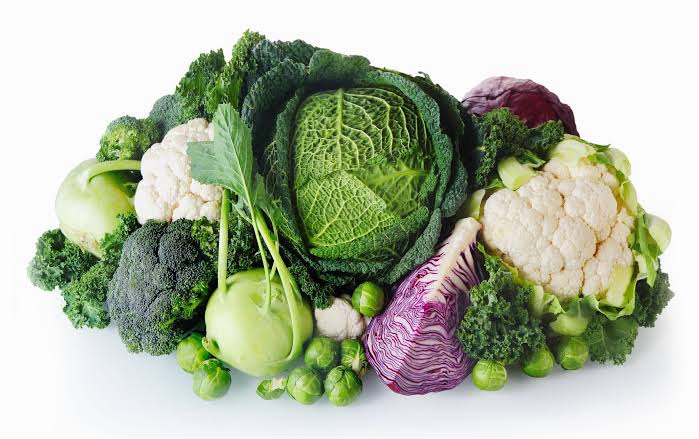
Non-starchy vegetables like asparagus, Brussels sprouts, cabbage, broccoli, cauliflower, tomatoes, peppers, celery, carrots, leafy greens and onions, are low in calories, high in
antioxidants and fibre that promote heart health and contain protein. Leave the skins on vegetables like pumpkin, kūmara and carrot to maximise your fibre intake.
5. Fruits Rich in Pectin
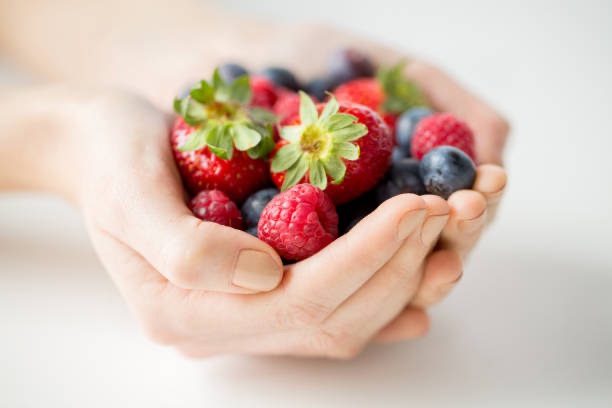
Berries are key: Blackberries, blueberries, raspberries & strawberries are high in pectin, a soluble fibre that reduces LDL and low in sugar. Fruit can be an
excellent addition to oatmeal, eat them fresh, as a snack or blended into smoothies. Apples, bananas, oranges and pears provide soluble fibre, too, but be cautious of the portions of these fruits because they contain more sugar.
6. Legumes and Soy-Based Foods
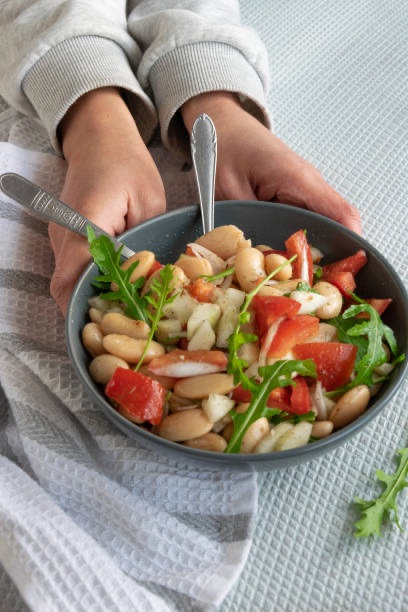
Plant-based diets can be powerful. Soybeans, edamame and tofu are all heart-healthy options and contain protein that reduces LDL cholesterol levels.
Another source of soluble fibre is legumes, like kidney beans, black beans, lentils and split peas. These are also high in protein and incredibly filling. Make soups, curries, or salads with legumes or stir-fries with tofu.
7. Olive oil and avocados
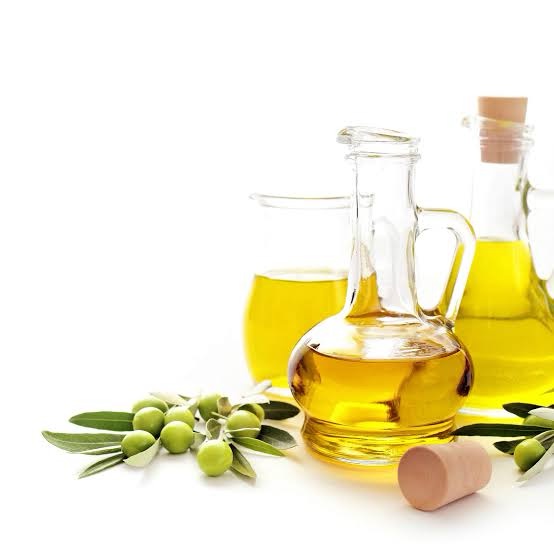
Extra virgin olive oil is low in saturated fat and high in monounsaturated fatty acids, which is supportive of heart health and can reduce bad cholesterol and raise good cholesterol levels.
Avocados have similar properties. Extra virgin olive oil and avocados should be used as staple fat in a heart-healthy diet to replace saturated fats like butter, margarine and white condiments like mayonnaise, sour cream and cream cheese.
Conclusion
High cholesterol levels are a major risk factor for heart disease. However, you may lower this risk by incorporating certain foods into your diet.
Upping your intake of these foods will put you on the path to a balanced diet and keep your heart healthy.
Also read : 10 Foods for a Healthy Cardiovascular System

 Detoxpri
Leave a comment