
The right protein powder can make a big difference in achieving your fitness goals and supporting gut health. Although there are endless options in the market, two major types dominate the shelves: Whey Protein and Plant-Based Protein.
But which one is better for your body, digestion, and fitness performance?
🧬 What is Whey Protein?
Whey protein is a complete protein derived from milk during cheese production. It contains all 9 essential amino acids, making it a favourite among athletes and bodybuilders.
Types of Whey Protein:
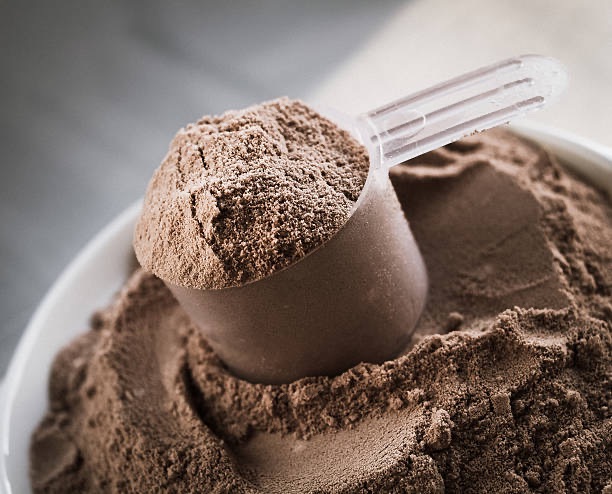
- Whey Concentrate (70-80% protein, some lactose)
- Whey Isolate (90 %+ protein, low lactose)
- Whey Hydrolysate (Pre-digested for faster absorption)
Benefits of Whey Protein:
- Rapid absorption post-workout
- High biological value (BV)
- High in leucine
- Excellent for muscle mass and strength
- Easily mixes into shakes and smoothies
Drawbacks of Whey Protein:
- Lactose intolerance issues – Can cause bloating in some people.
- Not vegan-friendly – Derived from dairy.
- Some commercial powders contain additives, sugars, or artificial flavours
🌱 What is Plant-Based Protein?
Plant protein comes from sources like peas, rice, hemp, and soy. Unlike whey, most plant proteins (except soy and quinoa) are incomplete proteins, meaning they lack some essential amino acids. However, combining different plant proteins (e.g., pea + rice) can provide a complete amino acid profile.
Types of Plant Protein:
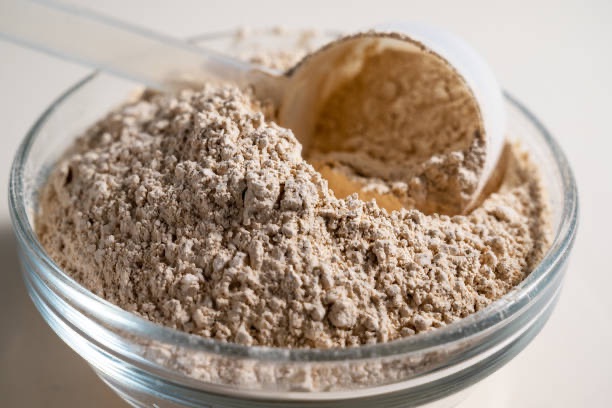
- Pea Protein (Rich in iron, easy to digest)
- Soy Protein (Complete protein, supports heart health)
- Hemp Protein (High in omega-3s, fibre)
- Brown Rice Protein (Hypoallergenic)
Benefits of Plant Protein:
- Gentle on the gut and digestive system
- Easier digestion
- Suitable for vegans, vegetarians, and dairy-sensitive individuals
- Often includes fibre, antioxidants, and anti-inflammatory compounds
- Supports heart health and reduces cholesterol
Also read : 6 Plant Protein Foods With All Essential Amino Acids
Downsides of Plant Protein:
- Some plant proteins (like rice or pea alone) may lack a complete amino acid profile unless blended
- Slower digestion & Lower leucine content compared to whey
- Some have a gritty texture, less palatable than whey.
🏋️♀️ Whey vs Plant Protein: Fitness Performance
Factor
Muscle Building
Absorption Speed
Amino Acid Profile
Suitable for Vegans
Weight Management
Whey Protein
✅ Fast, highly effective
✅ Fast (30–60 min)
✅ Complete
.
❌No
✅ High satiety, low fat
Plant Protein
✅ Effective (slightly slower)
⏳ Slower (2+ hours)
✅ Complete (if blended)
✅ Yes
✅ High fiber, low fat
🔑 Takeaway: Whey protein may give a faster edge in muscle recovery, but plant protein offers sustained energy and is better tolerated by those with digestive sensitivities.
Best Choice Based on Your Goals
Goal
Best Protein Choice
Why
Muscle Gain
Weight Loss
.
.
Vegan Diet
Digestive Issues
Whey Iso/Hydrolysate
Pea/Plant Protein Blend
.
Soy/Pea + Rice Protein
Plant Protein (Hemp/Pea)
Faster absorption, more leucine
High fiber, rich in BCAAs, hypoallergenic
Complete amino acid profile
No lactose, contains omega-3 and fiber
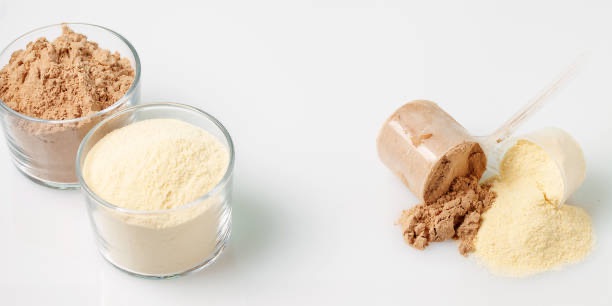
FAQs about Whey vs. Plant Protein, Which One Should You Choose?
A. Muscle Growth & Recovery
- Whey wins for fast muscle repair due to its rapid absorption and high BCAA content.
- Plant protein (like pea + rice blend) can be just as effective if consumed in the right amounts.
B. Digestion & Gut Health
- Plant protein is gentler on digestion (no lactose, more fibre).
- Whey isolate is better for lactose-intolerant individuals than concentrate.
C. Weight Loss & Satiety
- Both help with appetite control, but plant protein’s fibre content keeps you full longer.
D. Allergies & Dietary Restrictions
- Whey is not suitable for vegans or dairy-sensitive people.
- Plant protein is hypoallergenic (great for gluten-free, dairy-free diets).
Final Verdict: Whey or Plant Protein?
- Choose Whey If: You want fast muscle recovery, aiming for lean muscle gain post-strength training, tolerate dairy, and prioritise performance.
- Choose Plant Protein If: You’re vegan, lactose intolerant, or have gut issues, or prefer a cleaner, slower-digesting option and are focused on overall health, immunity, and digestion.
Related
1. 2 ingredient High Protein Wraps
2. How To Add Protein To A Salad Without Meat

 Detoxpri
Leave a comment