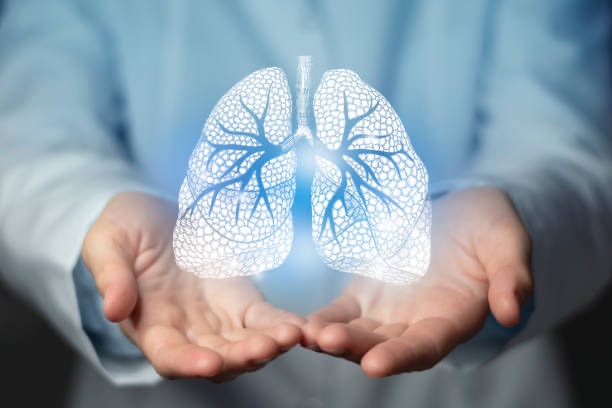
Why You Need an Anti-Pollution Diet?
With rising air pollution levels, your lungs face constant exposure to harmful toxins, particulate matter, and oxidative stress. Over time, these pollutants can trigger respiratory issues like cough, breathlessness, asthma, and fatigue.
While we can’t control the air we breathe, we can definitely strengthen our body’s defense system with the right anti-pollution diet. Certain foods rich in antioxidants, vitamin C, and anti-inflammatory compounds help detoxify your lungs naturally and support respiratory health. 🌿
Top Foods That Detoxify and Heal Your Lungs Naturally
1. Citrus Fruits
Vitamin C is a crucial water-soluble antioxidant that concentrates in the lung lining fluid, acting as a first line of defense against airborne oxidants. It helps regenerate other antioxidants in the body and is vital for a robust immune system.

Orange, Kiwi, Papaya, Guava, pineapple, amla these fruits boost your immune system and help flush out toxins from your respiratory tract.
Read : Include these 9 vitamin C-rich foods during winter to boost immunity
2. Garlic and Onion
These pungent allium vegetables are loaded with allicin and flavonoids, which have strong anti-inflammatory and antimicrobial properties. Studies suggest that consuming garlic may help reduce the risk of lung cancer and can be beneficial for managing asthma symptoms by supporting respiratory health.

Both are rich in allicin, a compound that reduces inflammation and fights infection in the lungs. Garlic also helps clear mucus and improves oxygen flow.
💡 Add to soups or sautéed veggies for daily detox benefits.
3. Green Tea & Tulsi Tea
Green tea is a fantastic source of catechins, a class of antioxidants that have been shown to inhibit lung fibrosis and protect lung tissue from the harmful effects of smoke and pollution.

Both are high in antioxidants (polyphenols and catechins) that reduce oxidative stress caused by air pollutants. Tulsi also acts as a natural bronchodilator — it helps you breathe easier.
💡 Swap your afternoon coffee for a cup of green tea for a gentle, protective boost.
4. Carrots, Pumpkin & Sweet Potatoes
Orange-colored vegetables are packed with beta-carotene, which the body converts to Vitamin A — essential for repairing lung tissues.
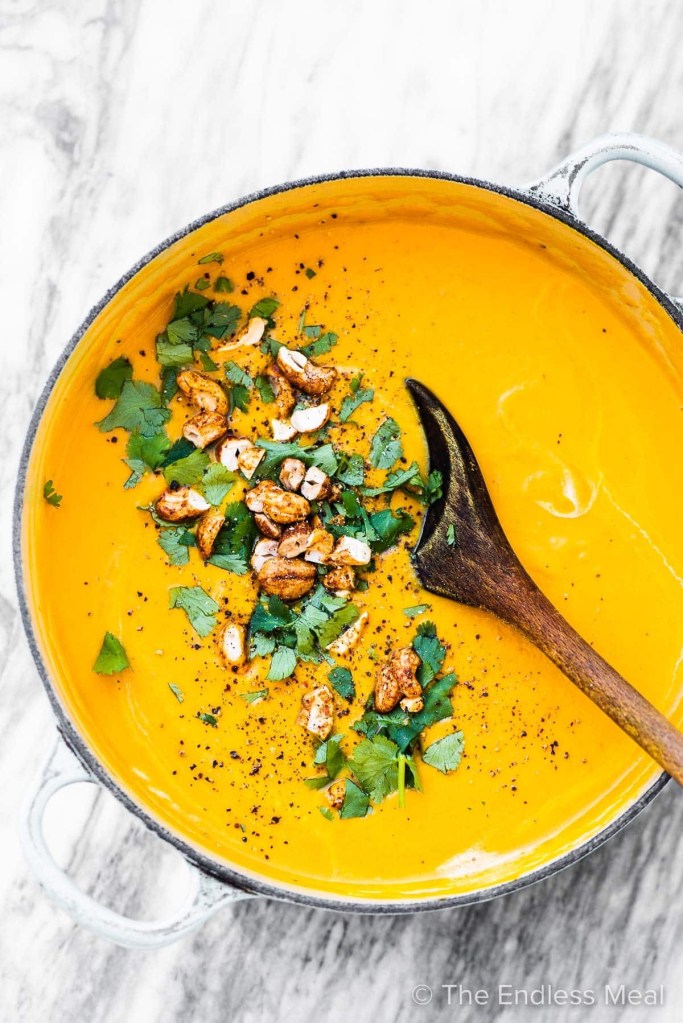
Beta-carotene is a powerful antioxidant that supports the health of the mucous membranes lining the respiratory tract, making them more resilient to infection and damage.
💡 Include carrot soup or roasted pumpkin soup in dinner.
5. Berries (Blueberries, Strawberries, Goji Berries, Acai Berries)
Blueberries, Strawberries, Goji Berries, Acai Berries are rich in anthocyanins, these colorful fruits fight free radicals and help reduce inflammation in lung tissues.

Vibrantly colored berries are packed with flavonoids, especially a type called anthocyanins, which give them their deep color. These antioxidants are known to protect lung tissue from
oxidative damage and can help slow the age-related decline in lung function.
💡 Blend into smoothies or yogurt for a nutritious lung detox snack.
Read : Try these 5 Best Antioxidant-Rich Protein Smoothie
6. Omega-3 Rich Foods
Omega-3 fatty acids are well-known for their role in reducing inflammation throughout the body, including protecting lung cells from damage.

A diet rich in omega-3s like Fatty Fish (Salmon, Mackerel, Sardines), Flaxseeds, Chia Seeds and Walnuts can help counter the inflammatory response triggered by polluted air.
💡 Add 1 tbsp of flaxseed powder to your morning smoothie.
7. Cruciferous Vegetables
Sulforaphane — a compound found in cruciferous veggies like Broccoli, Cauliflower, Kale, Brussels Sprouts, Cabbage— helps detoxify harmful airborne toxins and enhances lung enzyme activity.

They are rich in glucosinolates, which the body converts into compounds called isothiocyanates. These compounds have been shown to help the body excrete carcinogens and pollutants.
Broccoli, in particular, contains sulforaphane, a potent compound that may protect against respiratory inflammation.
💡 Lightly steam broccoli for maximum nutrient retention. Here is the healthiest way to cook Broccoli.
8. Turmeric and Ginger
Both are potent anti-inflammatory and antioxidant foods. The active compound in turmeric, curcumin, is one of the most powerful natural anti-inflammatory agents known. It helps combat the inflammation in the airways caused by pollutants and irritants. For best absorption, always pair turmeric with black pepper.

Ginger is not only anti-inflammatory but also a natural expectorant. Gingerols in ginger help clear airways and repair tissue damage caused by pollutants. It can help break down and expel mucus from the
lungs, making it easier to breathe. Its warming properties can also help soothe a tight chest.
💡 Try turmeric latte or ginger-turmeric shots daily.
Read : What is the best way to take Turmeric?
A Sample Anti-Pollution Diet Meal Plan
- Morning: Warm lemon-turmeric water + soaked almonds
- Breakfast: A smoothie with spinach, frozen blueberries, a knob of ginger, and flaxseeds.
- Lunch: A large salad with kale, broccoli, red bell peppers, grilled salmon/tofu , and a turmeric-garlic vinaigrette.
- Snack: Tulsi green tea + handful of walnuts.
- Dinner: Vegetable soup (carrot, pumpkin, garlic) + millet khichdi + ginger-turmeric tea
Additional Tips for Lung Health 🫁
- Stay Hydrated: Water helps keep the mucosal linings in the lungs thin, which supports healthy lung function.
- Avoid fried, processed, or sugar-laden foods — they increase inflammation.
- Keep indoor plants like snake plant, aloe vera, or peace lily to purify air naturally.
- Limit outdoor activity during high pollution hours (morning & late evening).
- Exercise Regularly: Physical activity improves circulation and strengthens your respiratory muscles.
Conclusion: Your Diet is Your First Line of Defense
The anti-pollution diet is not a trend — it’s a necessity in today’s urban lifestyle. Nourishing your lungs with natural, detoxifying foods strengthens your immunity, boosts oxygen absorption, and helps your body combat pollution-related damage naturally.
Start by incorporating a few of these lung cleansing foods into your next meal and take a deep, grateful breath towards better health.

 Detoxpri
Leave a comment