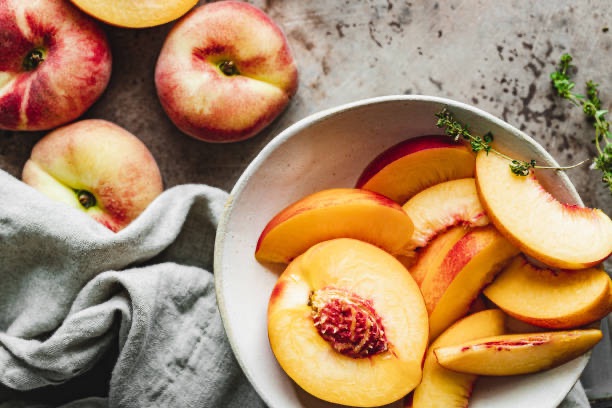
What Are Antioxidants?
In simple terms, antioxidants are molecules that fight off “free radicals” in your body. Free radicals are substances that are constantly being formed due to metabolism.

They are essential for the optimal functioning of the human body, and important for survival. One of the functions that free radicals provides for the body is support to the immune system in order to kill bacteria that can infect us.
To understand this, imagine a sliced apple turning brown or a piece of metal rusting. That’s a similar process to what happens inside our bodies at a cellular level.
This damage is caused by free radicals—unstable molecules that steal from healthy cells to stabilize themselves. This is where antioxidants come in as the heroes. They donate an electron to free radicals, neutralizing them and preventing them from causing cellular damage, also known as oxidative stress.
6 Types of Antioxidants & Their Health Benefits
1.Vitamin C (Ascorbic Acid)
A water-soluble vitamin and one of the most powerful dietary antioxidants.
Health Benefits
- Strengthens immunity and supports white blood cells
- Boosts collagen production for skin elasticity
- Helps fight infections and promotes wound healing
- Reduces inflammation and oxidative stress
Best Natural Sources
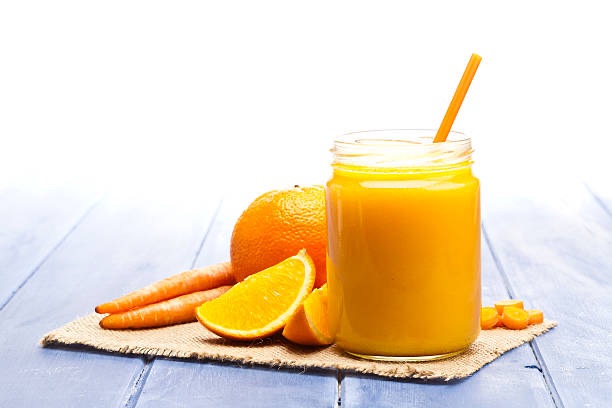
- Fruit, especially citrus fruits, blackcurrants, strawberries, papaya, guava and kiwi
- Green vegetables
- Bell Peppers
- Tomatoes , broccoli
2.Vitamin E (Tocopherol)
A fat-soluble vitamin that is the primary defender against lipid (fat) peroxidation—the damaging of cell membranes.
Health Benefits
- Protects cell membranes from oxidative damage
- Supports hormonal balance
- Improves skin health and prevents premature aging
- Enhances eye health
Best Natural Sources
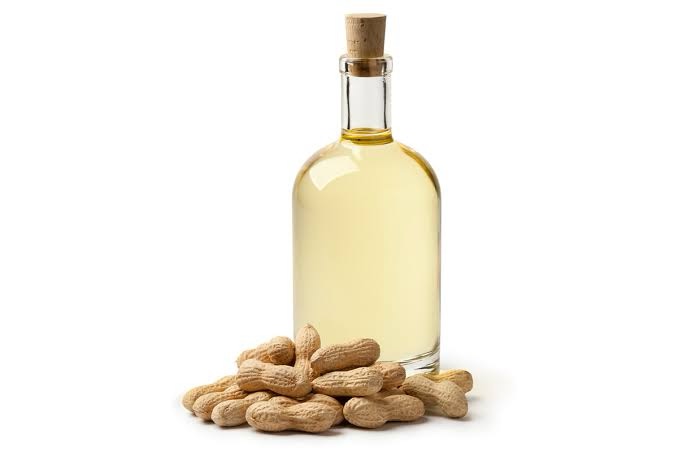
- Vegetable and seed oils such as olive, rapeseed and peanut
- Nuts and seeds such as sunflower seeds and almonds
- Avocados
3.Vitamin A & Carotenoids (Beta-Carotene)
Vitamin A comes in two forms: preformed vitamin A (retinol) and provitamin A carotenoids, like beta-carotene, which your body converts into Vitamin A.
Health Benefits
- Supports eye health and vision
- Strengthens immunity
- Reduces inflammation
- Protects against UV damage, Skin Glow and Repair
Best Natural Sources
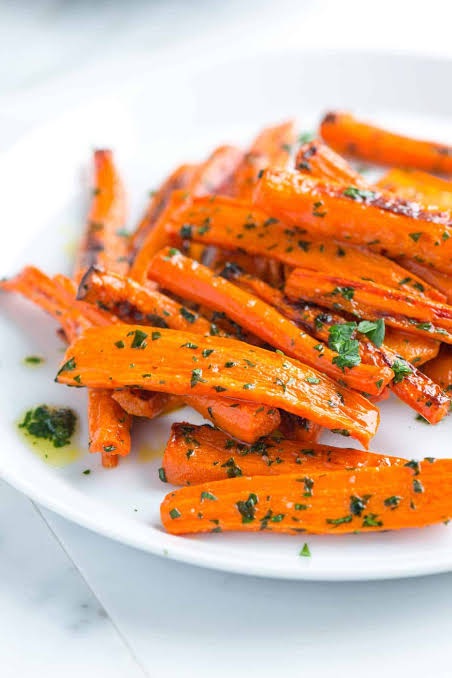
- Cheese, Eggs
- Dark green leafy vegetables,
- Orange , Mangoes, papaya, cantaloupe
- Carrots, sweet potato, butternut squash , Potatoes
4.Polyphenols
Polyphenols are a category of compounds naturally found in plant foods with strong detoxifying and anti-inflammatory properties.
Health Benefits
- Helps reduce inflammation
- Supports heart health
- Balances blood sugar
- Slows down aging
Types of Polyphenols

- Flavonoids (berries, onions, apples, green tea, dark chocolate)
- Phenolic acids (coffee, berries, plums, whole grains)
- Lignans (flaxseeds, sesame seeds)
- Stilbenes (grapes, red wine, peanuts)
5.Glutathione
A tripeptide produced by your body, often called the “master antioxidant” because it recycles other antioxidants and is central to liver detoxification.
Health Benefits
- Cellular Energy & liver detoxification
- Boosts immunity
- Reduces inflammation
- Promotes clear, glowing skin
Best Natural Sources
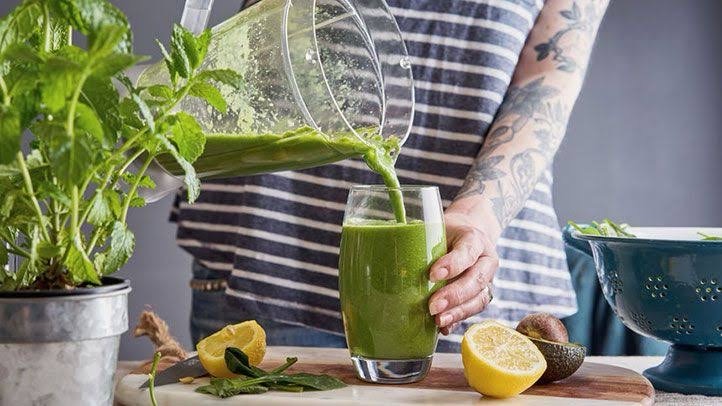
- Avocado
- spinach
- asparagus
- okra
- turmeric
- garlic
6.Lycopene
Lycopene is a carotenoid responsible for the red and pink color of certain plant foods.
Health Benefits
- Protects cells from oxidative stress
- Enhances heart health
- Reduces cholesterol & Inflammation
- Protects skin from sun damage
- Reduce the risk of prostate cancer
Best Natural Sources

- Tomatoes & Tomato Products (sauce, puree, soup — cooking increases lycopene absorption)
- Watermelon
- Pink Guava
- Papaya
- Red Grapefruit
Sample Antioxidant-Rich Diet Plan
- Breakfast: A healthy smoothie with spinach (Vitamin E), mixed berries (Flavonoids), and a squeeze of lemon (Vitamin C).
- Lunch: A salad with leafy greens (Lutein), bell peppers (Vitamin C), tomatoes (Lycopene), and a handful of almonds (Vitamin E).
- Dinner: Grilled salmon with a side of steamed broccoli (Glutathione precursor) and roasted sweet potatoes (Beta-Carotene).
Conclusion
Antioxidants are essential for long-term health and natural detoxification. By choosing antioxidant-rich foods, you support your immune system, reduce oxidative stress, and promote overall wellness. Add these powerful nutrients to your meals to nourish your body from within.
FAQs:
1.How do antioxidants improve skin health?
They reduce UV damage, prevent collagen breakdown, delay wrinkles, brighten the complexion, and repair skin cells. Vitamins C & E and carotenoids are especially powerful for skin health.
2.Can antioxidants boost immunity?
Yes. Vitamins A, C, E, zinc, and polyphenols strengthen immune cells, reduce inflammation, and increase the body’s defence against infections.
3.Do antioxidants help with inflammation?
Many antioxidants—especially polyphenols and carotenoids—reduce inflammatory markers, soothe chronic inflammation, and support conditions like arthritis, gut inflammation, and metabolic disorders.
4.Can antioxidants help with heart health?
Yes. Antioxidants reduce LDL oxidation, improve blood vessel function, lower inflammation, and support healthy blood pressure — reducing the risk of heart disease.
5.Are antioxidant supplements necessary?
Not always. A balanced diet rich in fruits, vegetables, nuts, and seeds usually provides enough antioxidants. Supplements may help only in deficiencies or higher oxidative stress (as per medical advice).
6.What is the ORAC value, and is it important?
ORAC (Oxygen Radical Absorbance Capacity) is a test-tube method that measures the antioxidant capacity of foods. While it was a popular metric, the USDA has removed its ORAC database because the scores often don’t translate directly to human health benefits.
7.How many antioxidants should we consume daily?
There is no fixed daily recommended intake for total antioxidants. Instead, aim for a colourful plate—eating a variety of plant foods ensures a broad spectrum of antioxidants.
8.Are antioxidants helpful for weight loss?
Indirectly, yes. They reduce inflammation, improve metabolism, balance blood sugar, and support cellular energy production — all of which help in sustainable weight management.
9.How do antioxidants benefit the brain?
They protect neurons from oxidative stress, improve cognitive function, support memory, and may lower the risk of neurodegenerative disorders like Alzheimer’s and Parkinson’s.
10.Are “superfoods” like acai and goji berries the only good sources?
Not at all! While acai and goji berries are excellent sources, they are not magical. Many common and affordable foods are packed with antioxidants. Cloves, dark chocolate, pecans, artichokes, and even a simple cup of green tea are incredibly rich in them.

 Detoxpri
Leave a comment