The Importance of Gut Health
One frequently ignores the crucial function of gut health in the pursuit of general well-being. In addition to improving digestion, a balanced gut affects immune, mental health, and even skin quality. The good news is that a carefully thought-out Indian diet plan can help you develop a healthy gut. How to Improve Your Gut Health Naturally
The Foundations of an Indian Diet for Gut Health
Whole grains, fruits, vegetables, lentils, and yoghurt are typical fiber-rich foods included in Indian diets that promote digestive health. Include foods high in probiotics like kefir, yoghurt, and pickled vegetables. Garlic, onions, and bananas are examples of prebiotic foods that are advantageous. Drink plenty of water, and avoid processed foods. As individual needs differ, it is important to visit a nutritionist.
Building Your Indian Diet Plan for Gut Health
A diet for gut health doesn’t have to be difficult. You might try our High Protein Diet that might Help You Have Better Gut Health or utilize this 7-Day Indian Meal Plan for a Healthy Gut.
A typical Indian diet Plan for gut health
Day 1: The Fiber-Packed Start
– Breakfast: Oatmeal with sliced apple and a handful of nuts.
– Lunch: Brown rice with lentil curry and a side of mixed vegetable curry.
– Snack: Greek yoghurt with a sprinkle of flaxseeds.
– Dinner: Roti (whole wheat flatbread) with grilled chicken or tofu and a serving of sautéed spinach.

Day 2: Diverse and Full of Nutrients
– Breakfast: Whole wheat toast with avocado and poached eggs.
– Lunch: Quinoa salad with chickpeas, cucumbers, tomatoes, and a lemon-tahini dressing.
– Snack: Mixed nuts and a piece of fruit.
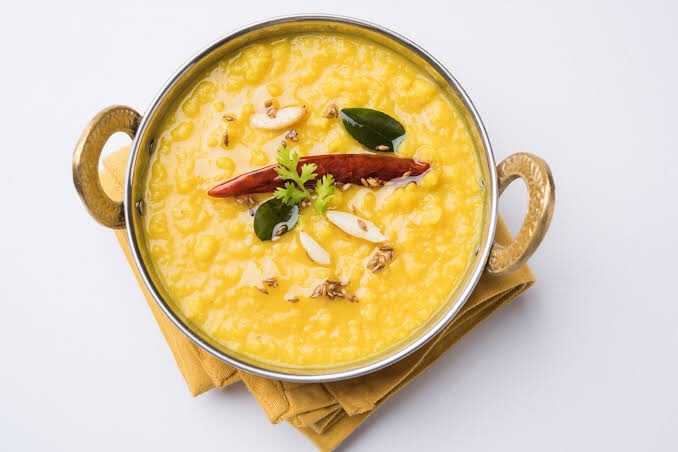
– Dinner: Lentil soup (dal) with a small portion of brown rice and a side of stir-fried vegetables.

Day 3: Traditional Flavors and Nutritional Value
– Breakfast: Idli (steamed rice cakes) with coconut chutney and sambar (vegetable stew).
– Lunch: Whole wheat chapati with paneer (cottage cheese) curry and a side of cabbage salad.
– Snack: Roasted chana (chickpeas) or makhana (fox nuts).
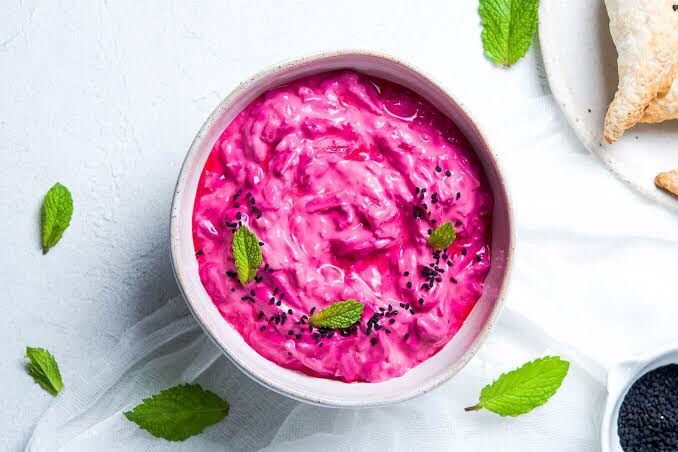
– Dinner: Vegetable pulao (rice cooked with vegetables and spices) with raita.
Day 4: The Fusion of Health and Taste
– Breakfast: Mixed berry smoothie with spinach, yoghurt, and chia seeds.
– Lunch: Millet (jowar or bajra) roti with gajar gobi (Carrot and cauliflower curry).
– Snack: Carrot and cucumber sticks with hummus.
– Dinner: Grilled fish with quinoa and steamed broccoli.

Day 5: Wholesome Indian Varieties
– Breakfast: Poha (flattened rice) with peas, carrots, and peanuts.
– Lunch: Whole wheat chapati with rajma (kidney bean curry) and a side of cucumber raita.
– Snack: Roasted pumpkin seeds.
– Dinner: Methi (fenugreek) besan chilla with mixed vegetable curry.

Lifestyle Factors for Gut Health
• Hydration and Its Impact: Drinking enough water promotes healthy digestion and nutrition absorption, which helps maintain a healthy gut. Here are 13 Dehydration Symptoms You Should Know.
• Mindful Eating and Digestion: Savouring each bite and eating carefully promotes digestion, which enables your gut to assimilate food effectively.
• Regular Physical Activity: Regular physical activity supports digestion and increases blood flow, both of which assist maintain a healthy gut.
Personalizing Your Gut-Healthy Journey
Consulting a Nutrition Professional: Everyone’s gut health needs are unique. To create a diet plan that is tailored to your individual needs, seek the advice of a nutritionist
Keep track of how your body reacts to various foods. Depending on how it makes you feel, alter your diet. By embracing fibre, probiotics, and prebiotics, and adopting mindful eating habits, you can create a gut-healthy Indian diet plan that promotes overall wellness and vitality. Remember, a happy gut lays the foundation for a happy you.
More Reads :
1. 7 Must-Eat Fermented Indian Foods for a Healthy Gut
2. Gut Healing Turmeric Cauliflower Soup
3. 9 Warning Signs of Poor Gut Health


 Detoxpri
Leave a comment