
International Women’s Day (IWD) is celebrated globally on 8 March every year. It is 2024 and now is the time for women who all around the globe deserve a complete nutritional fulfilment of their physical and mental health.
Individual nutritional needs vary according to age and overall health status. Some requirements are specific to women, and they can also change during the lifespan.
Women’s activity levels and overall health status can affect their dietary needs:

- Very active women
- vegan or vegetarian diet
- Women with heavy periods
- Pregnancy and breastfeeding
Knowing the essential nutrients your body needs allows you to make informed dietary choices and empower yourself to thrive.
Here are five nutrients that may help protect women from heart disease, as well as lower the risk of other chronic conditions such as osteoporosis, diabetes, breast cancer and high blood pressure, as she ages.
Top five nutrients every woman should consume
1.VITAMIN D (Down to the Bone)
Vitamin D is a fat-soluble vitamin that can be made in our bodies when exposed to sunlight. It is essential for bone health as it helps the body absorb calcium.
Why is vitamin D important?
It helps our bodies absorb calcium from our diet and supplements we may take. Vitamin D also plays a role in the development and maintenance of healthy bones.
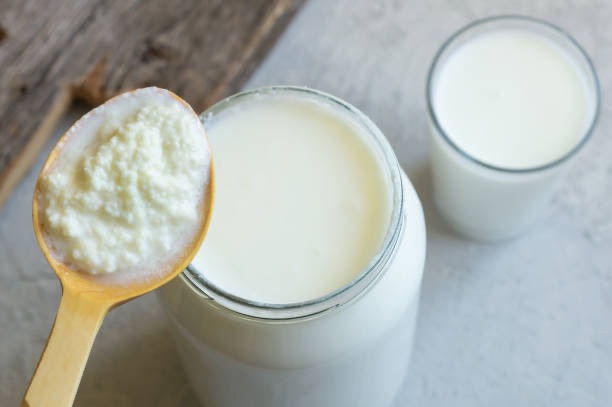
It also plays a crucial role in the body’s immunity, bone health, as it helps to absorb calcium for bone strength — cancer prevention, blood sugar regulation and decreasing insulin sensitivity.
Sources: Women can boost their Vitamin D intake by increasing their dairy products such as milk, yoghurt, cottage cheese, and hard cheese.
2.VITAMIN Bs (The Energizers)
The B vitamins include thiamin (B1), riboflavin(B2), niacin(B3), pantothenic acid (B5), pyridoxine (B6), cobalamin (B12) and biotin. These are water-soluble essential nutrients found in many foods, including whole grains, fruits and vegetables.
Why are B vitamins important?
Folic acid, or folate, is a B-complex vitamin also known as vitamin B9, which is essential during the reproductive years and for expectant mothers.

It reduces the risk of fetal complications, especially those involving the spine and brain, helps create red blood cells, and aids protein digestion.
Vitamins B6 and B12 reduce a woman’s risk of heart disease by helping to keep homocysteine levels low. High levels of the naturally occurring amino acid raise the risk of heart attacks, stroke and blood clots.Biotin has long been recognized for its vital role in healthy hair.
Sources: Leafy green vegetables, citrus, berries, nuts, beans, olive oil, fish, meat, poultry, eggs and milk .
3.CALCIUM (The Bone Builder)
Calcium is a vital mineral that is essential for bone health. Women are at a higher risk of developing osteoporosis than men, making it crucial for them to maintain adequate calcium intake.
Why is calcium important?
Since women are four times more susceptible to osteoporosis than men, getting enough is essential for lifelong bone health.

The remaining 1% is critical because calcium plays a role in heart and muscle action, blood clotting and normal cell function.
Calcium helps the body make new bone cells, and as women approach menopause, the ability to make new bone cells decreases.
Sources: Dairy products, tofu, cereals, soy and rice beverages, green, leafy vegetables such as kale, broccoli and Chinese cabbage, and fish with soft bones such as sardines and salmon as well as fortified foods.
4.OMEGA-3 FATTY ACIDS (Heart-Healthy)
Omega-3 fatty acids are a type of polyunsaturated fat that is essential for brain health and reduces the risk of heart disease.
Why is Omega 3’s important?
Omega 3’s are anti-inflammatory, important for heart and blood vessel health and for reducing circulating triglycerides to lower heart disease risk and help with chronic pain and brain health.

They also promote beautiful skin and aid in hormone balance for both men and women. These special fats also support healthy joints and optimize brain operations.
This healthy fat may also help slow down the growth of plaque build-up in the arteries and lowers blood pressure.
Sources: Fish oil supplements. Fatty fish like tilapia or codfish, mackerel, lake trout, herring, sardines, albacore tuna, salmon and Olive oil, which contains monounsaturated fatty acids
5.Iron (The Blood Booster)
Iron is essential for the production of hemoglobin, a protein that carries oxygen throughout the body.
Why is Iron important?
Women are more likely to develop iron deficiency due to blood loss during menstruation. The consumption of iron is known to prevent anemia, fatigue, and weakness.

Iron helps with red blood cells, better oxygen supply and helps with vitamin c absorption as well. It is also the perfect energy booster.
Sources: Foods rich in iron include lean red meat, poultry, fish, eggs, beans, lentils, fortified cereals, dark leafy green vegetables.
Nutrition care at Detoxpri
Consuming a well-balanced diet that includes all essential nutrients is crucial for women’s overall health and well-being. We offer personalized nutrition plans and nutrition counseling services to help women achieve their dietary goals and maintain good health. So, let’s take a step forward to prioritize your health and make every day a Women’s Day.


 Detoxpri
Leave a comment