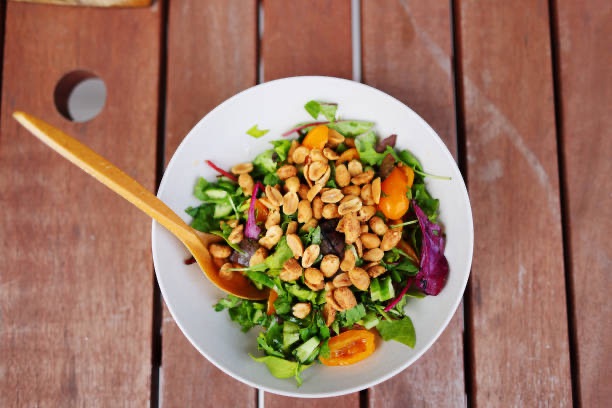
Thyroid health is crucial for overall well-being, and diet plays a significant role in managing thyroid conditions. Certain foods can interfere with thyroid function, especially in individuals with hypothyroidism or hyperthyroidism.
This article outlines the foods to avoid for people with thyroid issues, helping you make informed dietary choices for better thyroid health.
Foods to Avoid if Diagnosed with Hypothyroidism & Hyperthyroidism
1.Cruciferous Vegetables
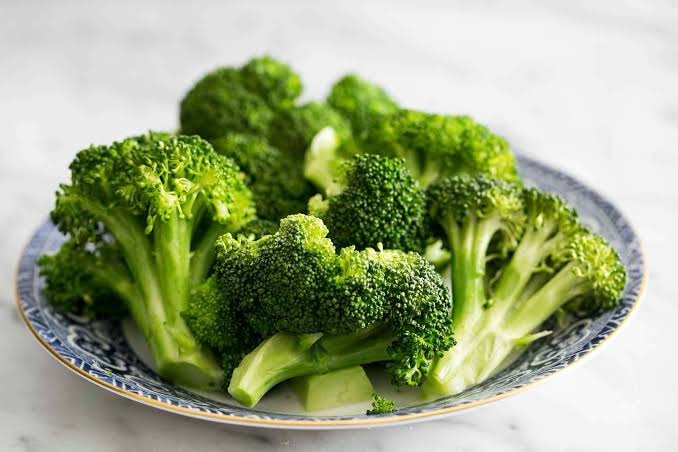
Cruciferous vegetables like broccoli, cauliflower, cabbage, and Brussels sprouts contain goitrogens. Goitrogens are compounds that can interfere with thyroid hormone production by inhibiting iodine uptake by the thyroid gland.
While these vegetables are nutritious, those with thyroid issues should consume them in moderation, especially when raw. Read the healthiest way to cook Broccoli.
2.Soy and Soy-Based Products
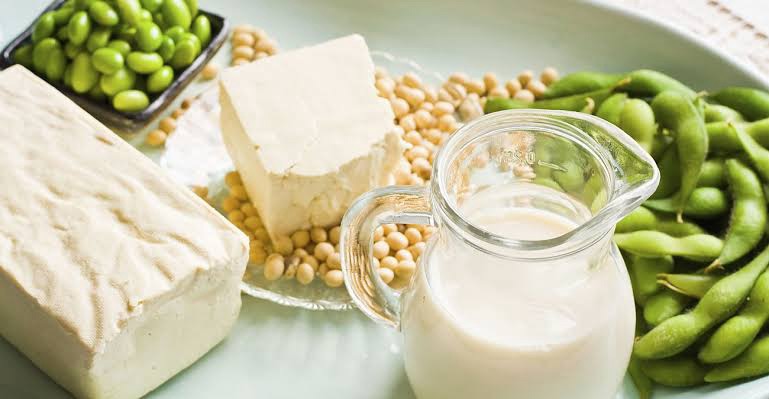
Soy contains isoflavones, which can interfere with thyroid function, particularly in those with hypothyroidism. Isoflavones can inhibit the enzyme that helps produce thyroid hormones.
Goitrogens have also been discovered in soy-based food products. Goitrogens are the compound that causes the thyroid gland to swell (goitre). The following foods should be avoided:
• Soya chunks
• Tofu
• Soy milk
• Edamame
Read more about Soy and soy products
3.Gluten-Containing Foods
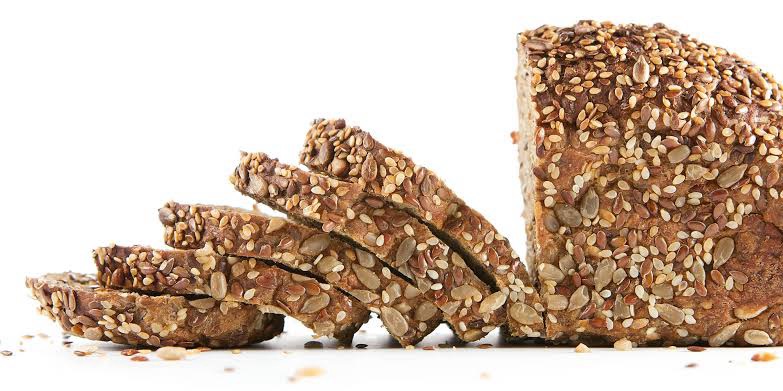
Gluten, found in wheat, barley, and rye, can be problematic for those with thyroid disorders, especially if they have celiac disease or gluten sensitivity. A gluten-rich diet is hypoglycemic, disrupting normal blood sugar levels.
Gluten can cause inflammation and damage to the small intestine, potentially leading to autoimmune thyroid diseases like Hashimoto’s thyroiditis.
4.Sugary Foods and Beverages

Excessive sugar intake can lead to insulin resistance, which can indirectly affect thyroid function. High blood sugar levels can disrupt the balance of hormones in the body, including those produced by the thyroid gland.
An elevated blood sugar level can produce palpitations and an increase in heart rate. Avoid sugary foods, sodas, pancakes, jelly & packaged food as they contain added sugar like dextrose, fructose, and corn syrup that is not good for health.
5.Caffeinated Beverages

Caffeine can increase the heart rate and interfere with thyroid hormone levels if taken over the limit caffeine can also trigger anxiety and insomnia. While moderate caffeine intake is generally safe.
People with thyroid issues should monitor their caffeine intake and avoid consuming it late in the day. Therefore, it is often recommended to reduce or avoid caffeine-containing beverages like coffee, black coffee and green tea. Here are 11 Brain-Boosting Beverages, That’ll Give You More Energy Than Coffee
6.Alcohol

Alcohol can disrupt the balance of thyroid hormones and impair the body’s general capacity to use and absorb thyroid hormones. It also affects liver function, which is crucial for hormone metabolism.
Excessive alcohol consumption can lead to an increase in thyroid problems. Limit alcohol intake to maintain optimal thyroid function.
7.Fried or Fatty Foods
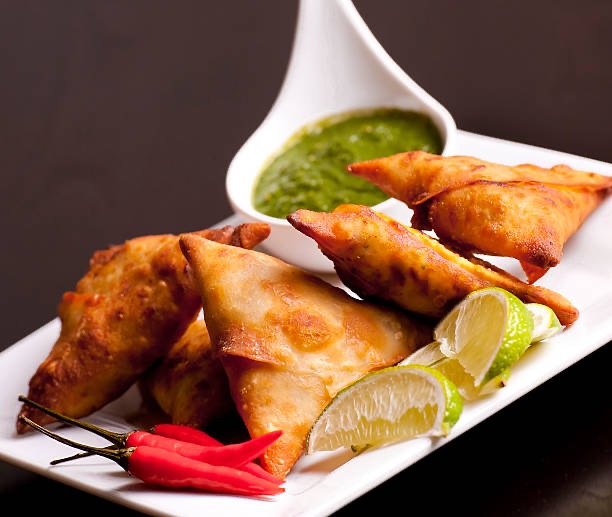
Trans fats and saturated fats found in fried and processed foods can impair thyroid function and lead to inflammation. Excessive intakes of such food items can interfere with the production of thyroxine hormone
which is challenging for a person who has a slow metabolism (Hypothyroidism) this may lead to excessive body weight. Opt for healthy fats and cut out all fried foods such as butter, mayonnaise, margarine, and fatty cuts of meat.
8.High Fibre Food

Getting enough fibre is good for you, but too much can complicate your hypothyroidism treatment. A high-fibrous diet such as legumes, vegetables and some cereal and grains may produce harmful effects
on the person affected with hypothyroidism as it can interfere with their digestion and absorption of certain thyroid medications so such food items should be avoided during this condition.
Conclusion
Hyperthyroidism & Hyperthyroidism affect millions of people in the world and hurt the quality of life of a person this condition can be even more fatal if it is not diagnosed in its early stages.
Maintaining thyroid health involves careful dietary choices. Avoiding foods that can interfere with thyroid function is crucial for managing symptoms and supporting overall health.
Also Read: What are thyroid-friendly foods
Quick Recipe for thyroid health

 Detoxpri
Leave a comment