
If you eat a plant-based diet, you need to consume more iron and be strategic about absorption. Everyone can benefit from combining these iron sources
Related : What is Iron and Why is it Important
Best Iron-Rich Vegetarian Foods
Before we move to recipes, here are some plant-based iron-rich foods to include daily:
- Green leafy vegetables: spinach, methi, moringa leaves
- Legumes: moong dal, masoor dal, rajma, chana
- Seeds & Nuts: pumpkin seeds, flaxseeds, almonds
- Whole grains: ragi, quinoa, bajra, dalia
- Fruits: pomegranate, dates, figs, apple, watermelon
Iron-Rich Recipes for Iron Deficiency: Boost Your Hemoglobin Naturally
Here are a few recipes designed to maximise your iron intake, from a quick breakfast to a hearty dinner.
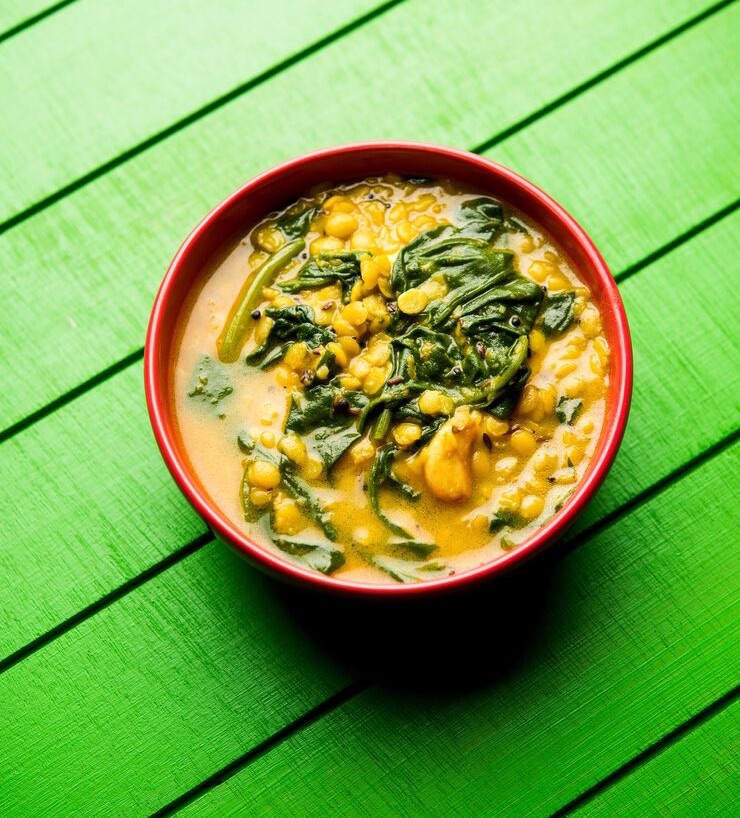
1.Spinach Moong Dal Curry
Ingredients:
- 1 cup spinach (palak), chopped
- ½ cup yellow moong dal
- 1 tsp cumin seeds
- 1 tsp ginger-garlic paste
- 1 green chilli
- ½ tsp turmeric
- Lemon juice
Method:
- Wash and soak dal for 30 minutes.
- Pressure cook dal with turmeric.
- In a pan, add cumin, ginger-garlic, chilli, and spinach.
- Mix cooked dal, simmer 5 minutes, finish with lemon juice.
Benefits: Spinach + dal combo = iron + protein, better absorption with lemon.
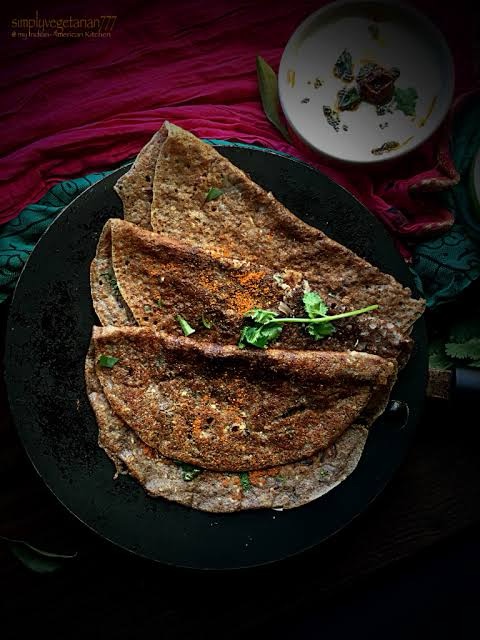
2. Ragi Vegetable Cheela (Finger Millet Pancake)
Ingredients:
- ½ cup ragi flour
- 2 tbsp grated carrot, spinach, and onion
- 1 green chilli, cumin, salt
- Water (to make batter)
Method:
- Mix flour, veggies, and spices into the batter.
- Spread on a pan, cook like a dosa with little oil.
- Serve with mint chutney.
Benefits: Ragi is one of the richest plant-based iron sources.
Also read: 11 Mouth-Watering Chilla Recipes
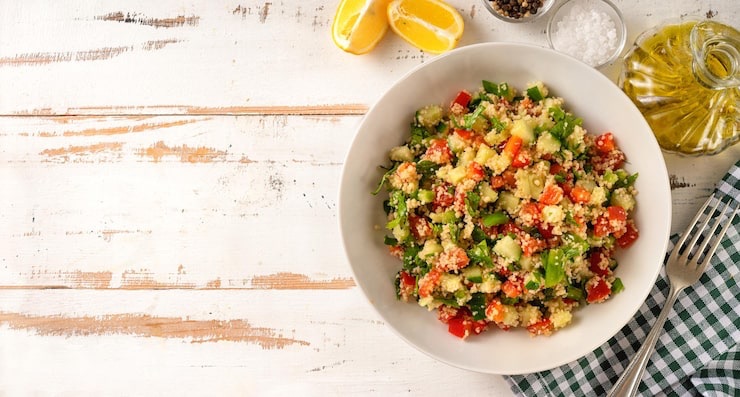
3. Chickpea & Pomegranate Salad
Ingredients:
- 1 cup boiled chickpeas
- ½ cup pomegranate seeds
- 1 cucumber, diced
- 1 tomato, diced
- Lemon juice, black salt, roasted cumin
Method:
- Mix chickpeas with pomegranate & veggies.
- Add lemon juice + cumin + black salt.
Benefits: Chickpeas give iron & protein, pomegranate adds Vitamin C for absorption.
Also read : 10 healthy Chickpea Recipes
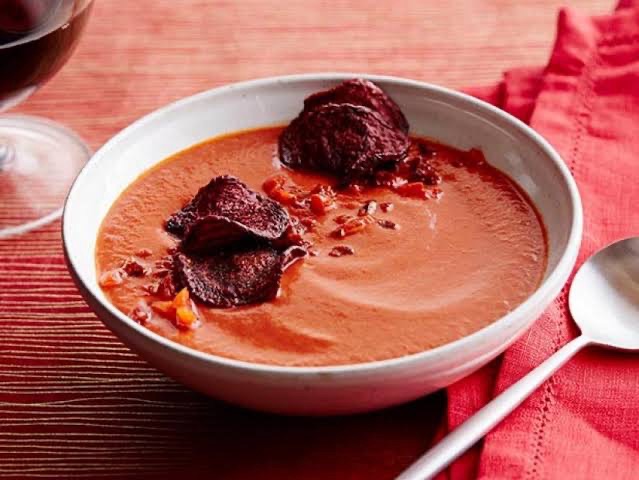
4. Beetroot Carrot Soup
Ingredients:
- 1 beetroot, peeled & chopped
- 1 carrot
- 1 tomato
- 1 tsp ginger
- Black pepper, salt
Method:
- Cook beetroot, carrot, and tomato until soft.
- Blend into a smooth soup.
- Add ginger, pepper, and serve hot.
Benefits: Beetroot improves haemoglobin levels naturally.
How To Make CBT Soup For Immunity
5. Jaggery & Sesame Energy Bites (Til Ladoo)
Ingredients:
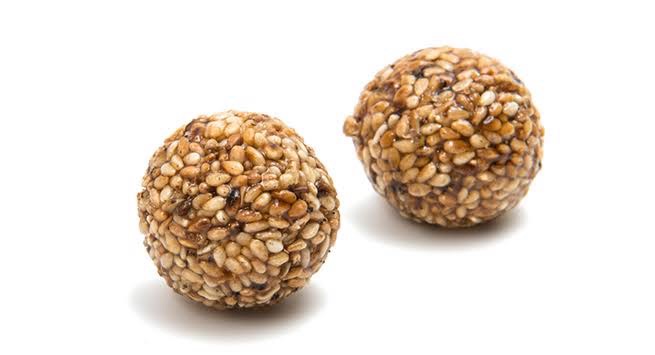
- ½ cup roasted sesame seeds
- ½ cup jaggery
- 1 tsp ghee
- 1 tsp water
Method:
- Melt jaggery with 1 tsp water until soft.
- Add sesame seeds, mix well, and shape into ladoos.
Benefits: Sesame seeds are iron-rich, and jaggery helps boost haemoglobin.
Also read : Health benefits of eating sesame
6. Pomegranate & Date Smoothie
Ingredients:
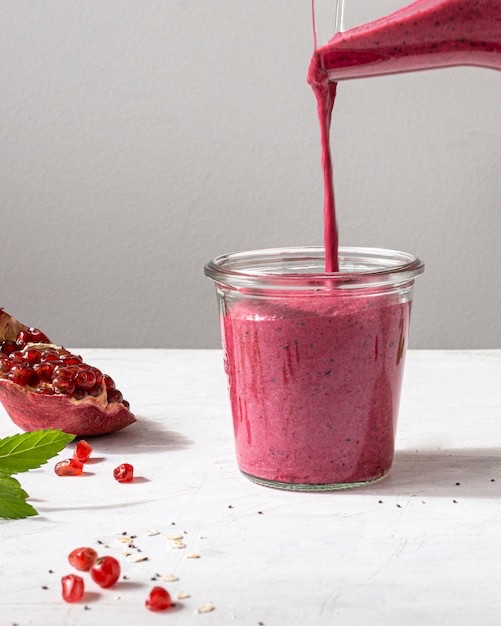
- 1 large pomegranate seeds
- 2 medjool dates, pitted (soak in warm water for 5 mins)
- 1/2 cup fresh spinach
- 1 medium banana
- 1 tbsp pumpkin seeds
- 1/2 cup Greek yoghurt
Method:
- Into the blender, add pomegranate, pitted dates, spinach, banana, pumpkin seeds, and yoghurt.
- Blend on high until completely smooth and creamy.
- Pour into a glass and enjoy immediately.
Benefits: Pomegranate and spinach are sources of iron & vitamins, while Dates are a good source of dietary iron and energy-boosting natural sugars.
How to Boost Iron Absorption
Here are 4 Tips for Maximising Iron Absorption
- Avoid Iron Blockers Right After: Try not to drink coffee, black tea, or red wine within an hour of consuming your iron-rich meals, as the tannins can inhibit iron absorption.
- Calcium Consideration: While calcium is important, it can also compete with iron for absorption. Using a small amount of yoghurt or milk is fine, but don’t overdo it in your iron-focused smoothies. Plant-based milks are often a good choice as they are usually lower in calcium than cow’s milk (unless fortified).
- Cast iron cookware: Cooking food in cast-iron cookware, naturally increases the iron content in food.
- Vitamin C is Your Best Friend: Always pair your iron-rich foods with a Vitamin C source. Vitamin C transforms iron into a form that is much easier for your body to use.
Great Vitamin C Pairings:
- Bell peppers (especially red)
- Broccoli
- Citrus fruits (lemon, orange)
- Tomatoes
- Strawberries
- A squeeze of lemon juice over your meal
Conclusion
Combating iron deficiency doesn’t have to be a chore. By incorporating these quick, flavorful recipes into your weekly rotation and being mindful of the Vitamin C partnership, you can effectively and deliciously fuel your body’s need for this critical mineral.
If you suspect you have an iron deficiency, it is important to consult with a certified nutritionist. They can provide a proper diagnosis and personalise a dietary plan to your specific needs, as severe cases may require supplementation.
FAQs on Iron Deficiency & Diet
Q1. What are the main causes of iron deficiency?
Iron deficiency is commonly caused by poor dietary intake, heavy menstrual bleeding, pregnancy, poor absorption of iron, gastrointestinal disorders (IBS, celiac, ulcers), or blood loss.
Q2. Which vegetarian foods are highest in iron?
Top vegetarian iron-rich foods include:
- Spinach, fenugreek, amaranth leaves
- Lentils (masoor, moong, chana, rajma)
- Millets (ragi, bajra, jowar)
- Nuts & seeds (pumpkin seeds, sesame, flaxseed, almonds)
- Dry fruits (raisins, dates, figs, apricots)
Q3. What are the symptoms of iron deficiency?
Common symptoms include:
- Fatigue & weakness
- Pale skin & brittle nails
- Dizziness or headaches
- Low immunity & frequent infections
- Cold hands and feet
- Shortness of breath during activity
Q4. Which fruits are best for iron deficiency?
- Pomegranate
- Orange
- Papaya
- Amla (Indian gooseberry)
- Apple
- Dates & raisins
Q5. Can iron deficiency be cured by diet alone?
Mild iron deficiency can often be managed with diet. But moderate to severe anaemia may require iron supplements or medical treatment along with dietary changes. Always consult a nutritionist if haemoglobin levels are very low.
Q6. How much iron do we need daily?
- Men: ~8–10 mg/day
- Women (before menopause): ~18 mg/day
- Pregnant women: ~27 mg/day
- Children: 7–15 mg/day depending on age
Q7. Are there any foods or drinks that block iron absorption?
- Tannins: Found in black tea, green tea, coffee, and red wine.
- Phytates: Found in whole grains, bran, and raw legumes (soaking, sprouting, or fermenting these foods can reduce phytate levels).
- Calcium: High doses of calcium from supplements or large amounts of dairy can interfere with both heme and non-heme iron absorption.
Related: Everything You Need to Know About Functional Foods & Their Benefits

 Detoxpri
Leave a comment