
Understanding the Link Between Diet and Stress
While many factors contribute to anxiety, including genetics and life circumstances, our diet plays a significant role in influencing our mental well-being. In this article, we will explore several foods that are known to aggravate anxiety symptoms. By avoiding or minimizing these anxiety-triggering foods, you can create a more peaceful environment for your mind and promote emotional balance.
1.Sugar and Artificial Sweeteners: The Rollercoaster Ride
The Role of Refined Sugar in Stress and Anxiety
Excessive sugar intake can lead to blood sugar spikes and crashes, causing mood swings and exacerbating anxiety symptoms. Artificial sweeteners like aspartame and sucralose have also been linked to increased anxiety.

Opt for natural sweeteners like honey or maple syrup in moderation and reduce your consumption of processed sweets.
2.Caffeine: Taming the Jittery Nerves
The Stimulant’s Impact on Stress Hormones
Caffeine is a stimulant that can heighten feelings of anxiety and restlessness. It increases heart rate, triggers adrenaline release, and can disrupt sleep patterns. Limiting or avoiding coffee, energy drinks, and other caffeinated beverages can help in managing anxiety symptoms.

3.High-Sodium Foods: A Salty Stress Culprit
The Effects of Excessive Sodium Intake on Stress Response
Excessive sodium intake can lead to dehydration and affect our blood pressure, potentially triggering anxiety symptoms. Limit your consumption of processed and fast foods, which tend to be high in sodium. Instead, flavour your meals with herbs and spices for a healthier alternative.

4.Alcohol: A Temporary Escape with Long-term Consequences
The Relationship Between Alcohol and Stress Levels
While alcohol may temporarily ease anxiety symptoms, it can have a rebound effect and increase feelings of anxiety and depression. It disrupts sleep patterns, dehydrates the body, and affects neurotransmitter balance.

Moderation or avoidance of alcohol can contribute to a calmer state of mind. Here are 9 Hangover Cures.
5.Gluten and Food Sensitivities: Identifying Personal Triggers
The Role of Gluten in Stress and Anxiety
Some individuals with anxiety may be sensitive to gluten or other food allergens. Pay attention to your body’s response to certain foods and consider exploring an elimination diet or consulting with a healthcare professional to identify potential triggers.
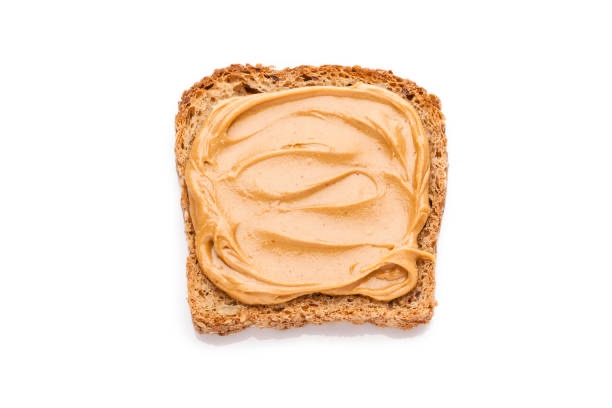
6.Comfort Foods or Stress Triggers? : The Truth about Processed Foods
The Role of Processed Foods in Stress and Emotional Eating
Processed foods are often loaded with additives, preservatives, and artificial ingredients. These additives can disrupt neurotransmitter function and contribute to anxiety symptoms. Opt for whole foods like fruits, vegetables, lean proteins, and whole grains to nourish your body and support a calmer mind.

Conclusion
Empowering Yourself with Stress-Reducing Food Choices
While dietary changes alone may not completely alleviate anxiety, they can significantly contribute to a calmer mind and improved mental well-being. By avoiding or minimizing caffeine, sugar, alcohol, processed foods, high-fat foods, and excessive sodium, and identifying personal triggers, you can create a foundation for better emotional balance and support your overall anxiety management strategies.
Remember to listen to your body, seek professional guidance when needed, and prioritize self-care in your journey toward a calmer mind.
Related : 10 Best Foods to Fight Fatigue

 Detoxpri
Leave a comment